If you’ve ever stood on a construction site, watched a tree get hauled away, or even seen a farm trailer unload a heavy load of hay bales, there’s a good chance you’ve come across something called a grapple. As someone who’s been supplying these bad boys for over 10 years, I get asked so often: “Wait, what even is a grapple, and what different forms are there?” Spoiler alert—they’re not all the same. If you grab the wrong one for your job, you’re gonna end up frustrated, possibly even damaging your equipment, and wasting way more time than you should. Let me break down the most common (and most useful) grapple forms I stock and work with every single day, no jargon, just straight talk. Grapple
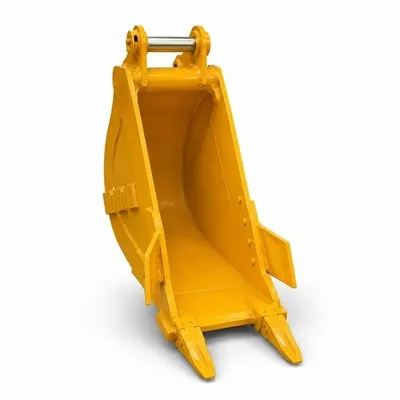
First off, let’s keep this simple: a grapple is basically a set of hydraulic-powered claws that attach to heavy machinery—think excavators, skid steers, tractors, even some forklifts. They’re built to grip, lift, and move stuff that’s too big, awkward, or slippery to carry with a regular bucket or hook. But depending on what you’re working with, you need a different style. That’s where the different forms come in. I see so many guys pick the wrong one because they don’t know the difference, so let’s go through each one, what it’s for, and when you’d want to reach out to my team for a demo or a quote.
Let’s start with the OG: the Root Grapple. This is the workhorse of the construction and land-clearing world. If you’ve ever seen a crew pull stumps, yank out whole trees, or clear brush from a lot before building, that’s a root grapple doing the heavy lifting. What makes it different? Its claws are thick, spaced pretty far apart, and the gaps between them are wide enough to let loose dirt and small rocks fall through—but tough enough to wrap around a 20-inch stump like a vice. A lot of guys mix this up with a brush grapple, but no—root grapples are built for dense, solid objects. I usually stock two sizes of root grapples: one for mini excavators (for small residential yards, pulling small stumps) and one for full-size excavators (for big commercial land clears). Last month, a guy came to me after trying to use a brush grapple to pull a stump—his claws bent so bad he had to buy a new arm, and that was on top of the wasted time. Moral of the story: if your job’s got solid, heavy, rooty stuff, root grapple is your go-to.
Next up, the Brush Grapple (sometimes called a Land Clearing Grapple, but don’t let that fancy name fool you). This one’s made for light, bulky stuff—brush, small branches, leaves, even loose debris. The claws here are thinner, closer together, and the gaps between them are way smaller than a root grapple. Why? Because you don’t want a big old oak branch slipping through the gaps mid-lift, and you also want to grab a whole pile of small brush at once. I see these used all the time by landscapers, utility crews trimming power lines, and even farmers cleaning fence lines. A pro tip: if you’re working in a tight residential spot, get the mini version of a brush grapple—they’re narrow enough to fit between houses, but still strong enough to hold 500 pounds of brush without drooping. I had a landscaper client last spring who switched from a root grapple to a brush grapple and told me he cut his yard cleanup time by 40%—that’s the kind of win we’re all about.
Then there’s the Wood Grapple, sometimes split into two sub-types: a Loader Wood Grapple and an Excavator Wood Grapple. This is for logging, right? You need to pick up logs, round timber, sometimes whole tree trunks. What makes wood grapples stand out? Their claws are extra long, curved, and they usually have what we call “teeth” along the edges to grip slippery bark. Some even have a rotating base so you can spin the log without moving the whole machine—huge time-saver. The loader version is lighter, designed to attach to a front-end loader for hauling logs around a yard or loading them onto a truck. The excavator version is beefier, built to pull logs out of a forest or pile them at a mill. I once sold a set of wood grapples to a small logging operation, and they told me it cut their log loading time in half compared to using hooks. No more fumbling with single logs—you can grab three at once, stack ’em, and go.
Wait, what about a Grapple Bucket? That’s a hybrid, right? A lot of people ask me about these because they’re like two tools in one. It’s a regular bucket, but with a set of hydraulic grapple claws on top. So you can do two things: use the bucket for scooping dirt or gravel, then flip the claws down to grab and move awkward stuff like rocks, pallets, even construction debris without switching attachments. This is super popular with small contractors and DIYers who don’t want to buy multiple attachments for their skid steer or mini excavator. I’ve had a few guys tell me they used their grapple bucket for everything from moving mulch in their backyard to clearing a old shed foundation. The only downside? They’re not as strong as a dedicated grapple or a dedicated bucket, so if you’re moving 1,000-pound stumps, stick with a root grapple. If you’re doing light to medium jobs, grapple bucket is perfect.
Another one I get a lot of questions about is the Demolition Grapple (sometimes called a Selector Grapple). This is for demo sites, where you’re tearing down old buildings, sorting debris—wood, concrete, metal, drywall. What makes this unique? The claws are often adjustable, or there are different “settings” to handle different materials. Some demolition grapples have multiple sets of claws so you can pick up a concrete chunk one minute, a pile of wood the next, and even separate metal rebar from the rest of the debris. That’s a big deal because you can sell scrap metal, so sorting on-site saves you time and money at the landfill. I’ve seen demo crews use these to tear down a 100-year-old house and sort all the debris in one pass—no need for multiple trips to the scrap yard. If you’re working on demo, don’t waste time with a regular grapple; a demolition selector grapple is made for that exact job.
Wait, let’s not forget about the Tractor Grapple, sometimes called a Farm Grapple. This one’s designed for smaller tractors, not big excavators, so it’s lighter and smaller, built for farm work: hay bales, fence posts, grain sacks, even cleaning out a barn. The claws here are usually shaped to fit around a standard 4×4 hay bale, and they’re not as heavy-duty as a construction grapple, but they’re perfect for farm use. I’ve sold these to small family farms and even hobby farmers who have a few acres. One guy told me he used his tractor grapple to move 50 hay bales last winter without breaking a sweat—way easier than trying to lift them by hand with a rope.
Now, let’s talk about what to look for when choosing which grapple form is right for you. It’s not just about the type—size and strength matter too. If you’ve got a mini excavator (under 5 tons), you don’t want a full-size root grapple that’s too heavy; it’ll put too much strain on your machine’s hydraulics. I always tell customers to check their machine’s lifting capacity and hydraulic pressure before buying a grapple. Also, think about how often you’ll use it. If you’re a landscaper who uses a brush grapple once a week, you might want a mid-range model. If you’re a logging company that uses a wood grapple every single day, spring for a heavy-duty, premium model—it’ll save you money in the long run because it won’t break as often.
Another thing: not all grapples are hydraulic. Wait, hold on—did I forget manual grapples? Yeah, those are the old-school ones, with a rope or chain you pull to open and close the claws, no hydraulics. They’re cheap, but they’re only for light jobs. I rarely stock those now, because almost everyone uses hydraulic for heavy work, but if you’re a hobby farmer moving small stuff, a manual grapple might work for you. But let’s be real—hydraulic is way more convenient. No more climbing down to pull a rope every time you need to grab something.
I’ve seen a lot of customers make the mistake of buying the cheapest grapple they can find, only to have it break after a few uses. Last year, a guy bought a cheap root grapple from a random online seller, used it once to pull a stump, and the claws snapped right off. He came to me looking for a replacement, and I told him the cheap one was made of thin steel, not the hardened steel we use for our grapples. That’s the difference—our grapples are built to last, with high-tensile steel, heavy-duty hydraulic cylinders, and tight tolerances so they don’t slip or break mid-job.
So, let’s recap the main forms to make this easy:
- Root Grapple: Solid stumps, dense brush, heavy debris (construction, land clearing)
- Brush Grapple: Light, bulky brush, small branches (landscaping, utility)
- Wood Grapple: Logs, timber (logging, lumber yards)
- Grapple Bucket: Hybrid, for light to medium jobs, multiple uses (small contractors, DIYers)
- Demolition Selector Grapple: Sorting debris, concrete, metal (demo sites)
- Farm/Tractor Grapple: Hay bales, fence posts, small farm loads (farmers, hobbyists)
If you’re still not sure which one you need, that’s totally fine—no pressure. I’ve been doing this long enough that I can ask you a few simple questions: What machine are you attaching it to? What are you gonna lift? How heavy is that stuff? And I can point you to the right grapple form for your job.
At the end of the day, the right grapple doesn’t just make your job easier—it saves you time, money, and stress. You don’t wanna be out on a job, stuck with a grapple that can’t do what you need it to, wasting hours trying to make it work. That’s why we make sure all our grapples are built for specific jobs, so you can grab the right one, get the job done, and move on to the next thing.
If you’re in the market for a new grapple, or you just wanna chat about which form would work best for your specific project, hit me up with a quick inquiry. We’ve got options for every machine, every job, and every budget, no weird fine print or hidden fees. We also offer custom builds if you’ve got a unique job that needs a grapple that’s not quite standard. So don’t overcomplicate it—reach out, tell me what you’re working on, and we’ll get you set up with the perfect grapple for the job.
Excavator Bucket References:
- "Excavator Attachment Guide: Grapples and Their Uses" — Equipment World, 2023
- "Agricultural Grapple Attachments: A Buyer’s Guide" — Farm Industry News, 2022
- "Demolition Attachment Specifications and Best Practices" — National Demolition Association, 2023
- "Hydraulic Grapple Technology: Design and Application" — Construction Equipment Digest, 2022
- "Mini vs. Full-Size Grapples: Matching to Machine Capacity" — Small Business Construction Magazine, 2023
Hope Precision Machinery Co., Ltd.
As one of the most professional grapple manufacturers and suppliers in China, we also support customized service. Please feel free to buy high quality grapple for sale here from our factory. For more information, contact us now.
Address: No.8 Shenzhen Street, Development Zone, Yantai,Shandong ,China
E-mail: lulu@hope-breaker.com
WebSite: https://www.hopeequip.com/
