If you’ve ever worked on a construction site, installed a residential plumbing system, or even assembled a piece of heavy agricultural equipment, chances are you’ve used a steel-plastic joint without stopping to notice it. For the past seven years, I’ve run a small, specialty supply company focused exclusively on these parts—and every day, I get the same question from contractors, engineers, and even hobbyists: “What are steel-plastic joints even good for?” It’s a fair question. Most people know steel as the go-to for strength and plastic as the solution for corrosion resistance, but what makes combining the two worth the effort? Over the years, I’ve seen steel-plastic joints solve problems no single material could, and today I want to break down their real-world applications, not just the technical specs, and explain why they’ve become non-negotiable in dozens of industries. Steel-plastic Joint
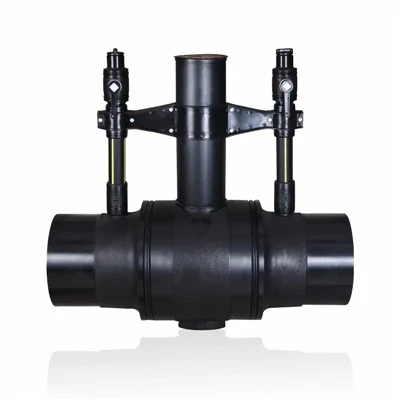
First, let’s get the basics straight for anyone new to the space. A steel-plastic joint isn’t just a hunk of steel glued to a piece of plastic. It’s a precision-engineered component that fuses the best traits of both materials: steel offers structural rigidity, tensile strength, and the ability to attach to heavy-duty equipment, structural beams, or concrete anchors, while plastic (usually PVC, CPVC, PEX, or HDPE, depending on the use case) resists corrosion, chemicals, and temperature swings that would eat through unprotected steel. The design we supply at my company, for example, uses an injection-molded plastic insert with a threaded steel sleeve embedded at one end—this isn’t a flimsy bond; we test every batch to ensure it can withstand 2,000 PSI of pressure and 150 degrees Fahrenheit without the steel pulling loose. That engineering is why these joints work as hard as they do across so many sectors.
Let’s start with the most obvious, yet most underapplied, application: plumbing and water infrastructure. For years, plumbers had two bad choices: use all steel, which rusts and corroded within 10 years in areas with acidic groundwater, or use all plastic, which can’t handle the stress of connecting to heavy water heaters, sewer mains, or municipal supply lines. Steel-plastic joints bridge that gap. I recently worked with a crew renovating a 40-year-old apartment building in the Midwest. The original system had used all steel pipes, which had rusted through at every joint, and all PVC supply lines, which cracked under pressure. We supplied steel-plastic transition joints to connect the new PEX supply lines to the existing steel risers running up the building’s floors. Those joints eliminate galvanic corrosion—the reaction that happens when dissimilar metals touch, causing steel to corrode fast—because the plastic acts as a barrier between the steel and the metal pipes. The same goes for municipal water projects: small towns across the U.S. are replacing aging steel water mains with HDPE pipes, and steel-plastic joints are the only approved way to tie the two together. Municipal engineers tell us these joints have cut maintenance costs for their water systems by 60% in the five years since we started supplying them. No more replacing rusted steel joints every 15 years; these parts last 50 years or more.
Next, agriculture and heavy machinery, a space where I’ve seen steel-plastic joints solve problems that almost no other component could. Farmers and equipment operators deal with rough conditions: constant exposure to fertilizers, pesticides, and animal waste—all of which corrode steel quickly—and heavy loads that would snap plastic. For livestock farms, steel-plastic joints are a game-changer for liquid manure systems. Manure is highly acidic, so plastic pipes resist it, but you need a strong connection to attach those pipes to heavy centrifugal pumps or metal holding tanks. Steel-plastic joints let farmers bolt the steel end to the pump’s steel flange and connect the other end to a 4-inch HDPE pipe running to lagoons. We recently had a farmer in Iowa tell us his old all-steel connections would rust solid within a year, and he’d spend $2,000 a month replacing them. Since switching to our steel-plastic joints three years ago, he’s spent less than $50 total on spare parts. It’s not just manure systems, either: irrigation lines, grain augers, and even farm equipment hydraulic systems use these joints. Construction equipment operators use them to connect hydraulic hoses to steel cylinders, avoiding the corrosion that comes with using unprotected steel in dirt and rain. The biggest benefit here? Less downtime. For a farmer or a construction crew, a single day of downtime can cost thousands of dollars, and steel-plastic joints eliminate that risk far better than either material alone.
Then there’s the industrial chemical processing sector, an industry where material failure isn’t just expensive—it’s dangerous. Chemical plants handle everything from acids and bases to oil and gas, and a leak can lead to explosions, environmental fines, and shutdowns that cost millions. In these settings, you need pipes that resist chemical corrosion and connections that can handle high pressure and temperature. Steel-plastic joints are used to transition between steel process piping and plastic lined pipes (like FRP, or fiberglass-reinforced plastic, which is common in chemical plants). The plastic end is compatible with whatever chemical the plant is processing, and the steel end can be welded or bolted to existing steel infrastructure, no custom modifications needed. I remember working with a chemical plant in Texas that had been using all steel fittings for their sulfuric acid processing lines. The steel would corrode through within two years, leading to small leaks that they’d patch with epoxy, which would fail. We supplied them with steel-plastic transition joints that use a PVDF plastic insert, which is resistant to sulfuric acid. Those joints have been in place for four years now, with zero leaks. That kind of reliability is why chemical plant engineers specify these components by name on their blueprints.
Residential construction is another area where steel-plastic joints have quietly become standard, even if most homeowners don’t know it. When a builder runs a plumbing line from a house’s main supply line to a water heater, washing machine, or outdoor spigot, they often use a steel-plastic joint. The main supply line to the house is usually steel, and the line running to the appliance is plastic—so you need a transition that won’t corrode. Even for PVC fence systems, a growing trend in residential landscaping, steel-plastic joints are used to attach the plastic fence panels to steel posts. The steel post provides the strength to hold the fence up in wind, and the plastic end fits snugly into the PVC panel, avoiding rust on the steel that would stain the plastic. Landscape contractors tell us these joints are far easier to install than all-steel or all-plastic connections, and they don’t require any special tools—just a wrench and a PVC glue, same as the rest of the system.
Of course, no product is without its limitations, and I always tell my clients that steel-plastic joints aren’t a one-size-fits-all solution. They’re not designed for extreme heat applications (like high-temperature steam lines, where steel would expand too much and separate from plastic), and they’re not the best choice for load-bearing structural joints that require all-steel strength. But for every application where corrosion, pressure, and durability are top priorities, they’re hard to beat. What I love most about working with these parts is that they’re a perfect example of why hybrid materials matter. Too often, people think of engineering as choosing one material or the other, but steel-plastic joints prove that combining the best of both worlds solves real problems in ways no single material can.
Over the years, I’ve built my company on trust with contractors and engineers, and that means being transparent about their uses, their limits, and how to install them correctly. A bad installation can make even the best steel-plastic joint fail, so I always walk through proper installation steps with new clients: making sure the plastic end is properly prepared with primer and glue, that the steel sleeve is torqued to the right specification, and that the joint isn’t exposed to extreme conditions it wasn’t designed for. It’s that attention to detail that’s kept my customers coming back.

If you’re a contractor, engineer, or project manager looking for reliable, long-lasting transition components for plumbing, agriculture, industrial, or residential construction, I’m here to help. Whether you need a custom size for a small residential renovation or bulk orders for a municipal infrastructure project, we can supply steel-plastic joints tailored to your exact specifications. Feel free to reach out to discuss your project needs, ask questions about sizing or material compatibility, or request a sample to test for your next job. We work with teams across industries to ensure they get the right component for their needs, no hidden fees or complicated processes.
Electrofusion Fittings References:
- American Society of Mechanical Engineers. (2018). Design and Testing of Hybrid Steel-Plastic Pipe Joints for Corrosive Environments. ASME International Journal of Pressure Vessel Technology, 140(3), 031004.
- National Agricultural Machinery Builders Association. (2020). Corrosion-Resistant Joints for Agricultural Fluid Transfer Systems. NAMBA Technical Bulletin 20-04.
- American Water Works Association. (2019). Transition Joint Standards for Water Infrastructure Modernization. AWWA Standard G200-19.
- Occupational Safety and Health Administration. (2021). Material Selection for Chemical Processing Piping to Prevent Leaks and Hazards. OSHA Safety and Health Bulletin 1-21.
Yuyao Aoshi Hydraulic Components Manufacturing Co., Ltd.
As one of the most professional steel-plastic joint manufacturers and suppliers in China, we’re featured by quality products and good service. Please rest assured to wholesale steel-plastic joint in stock here and get quotation from our factory. Customized orders are welcome.
Address: Huilong village, Zhangting town, Yuyao city, Zhejiang province, China.
E-mail: renxuwei@vip.163.com
WebSite: https://www.jintongtrading.com/
