What is the resistance of Matte Wood Grain Film to chemicals?
If you’ve ever stood in a client’s showroom, running a finger over a matte wood grain film sample and asking, “How will this hold up when a spilled coffee or cleaning wipe hits it?”—well, that’s a question I’ve answered at our supply desk a hundred times. I’ve been working with matte wood grain films for close to a decade now, and one of the most common mix-ups I run into is that people confuse matte finishes with “fragile” or “easy to damage.” In reality, matte wood grain film’s chemical resistance is not a one-size-fits-all trait; it depends on what the film is made of, how it’s processed, and what chemicals it’s exposed to. Let me break this down the way I break it down for our contractors, cabinet makers, and interior design clients—not just with specs, but with real-world scenarios. Matte Wood Grain Film

First, let’s get clear on what matte wood grain film actually is. For anyone new to the space, it’s a thin, flexible decorative film applied to surfaces like MDF, plywood, or cabinet doors to mimic real wood without the cost or maintenance of solid wood. The matte finish is what sets it apart from glossy films: glossy shows every fingerprint and smudge, while matte diffuses light, so it looks like real stained wood and hides small marks better… but only if it can handle daily chemicals.
The core material here is where chemical resistance starts. Most quality matte wood grain films we supply fall into two main categories: PVC (polyvinyl chloride) and PET (polyethylene terephthalate). I won’t bore you with the chemical names back to front, but their behavior with chemicals is night and day. PVC films, for example, are the workhorse for most residential cabinetry. They have a plasticizer content that makes them flexible enough to bend around sharp cabinet edges without cracking, but that same plasticizer affects their chemical resistance. PET films, on the other hand, are a newer, more durable option for commercial spaces or high-traffic areas. PET doesn’t use the same plasticizers as PVC, so it handles chemicals differently.
Let’s start with the most common chemicals people ask about: household cleaners. For residential kitchens and bathrooms, cleaners are a daily thing—all-purpose sprays, glass cleaners, bathroom descaling agents, even mild bleach solutions. From our testing and real client feedback, standard all-purpose cleaners (like the ones you buy at the grocery store, pH-neutral or slightly alkaline) rarely cause issues. I had a client last year in Chicago who had a full kitchen installed with our standard PVC matte wood grain film; their teen spilled glass cleaner on the island twice a week for six months, and the finish didn’t fade, didn’t leave a haze, and the wood grain pattern stayed sharp. That said, not all cleaners are created equal. Some heavy-duty degreasers—like the ones used for restaurant hoods, or industrial-grade floor cleaners—are harsher. We had a commercial client for a café try a cheap matte film not from our supply, and after two months of wiping down the hood area with a strong degreaser, the finish started to soften and peel a little at the edges. The difference? That cheap film didn’t have the UV-stabilized topcoat we add to all our standard products, and its PVC formulation had way too many plasticizers that broke down when exposed to alkaline degreasers.
Next, liquids that get spilled: coffee, soda, wine, cooking oils. These are the accidental messes that happen in dining areas and kitchens. We’ve done side-by-side tests in our warehouse lab (we have a small test station with controlled temperature and spill exposure, because nothing beats real hands-on testing). Spilled black coffee left on the film for 24 hours wiped off completely, no stain. Soda (colas, citrus sodas) left for 48 hours left a faint ring if not wiped immediately, but a quick wipe with a damp cloth took it right away—no permanent discoloration. Red wine is the wildcard here. Real wine has tannins, which stain a lot of surfaces. We tested red wine exposure on our two main film lines: our standard PVC matte film and our premium PET matte film. On the PVC, a 12-hour wine spill left a very faint haze that required a little extra elbow grease to remove; on the PET, even a 24-hour spill wiped off with just a paper towel, no haze at all. Why? PET has a denser molecular structure that resists penetration from liquids with high tannin or sugar content, whereas PVC’s molecular structure is slightly more porous, allowing small amounts of liquid to seep into the finish layer. That’s a key note for clients who are doing wine bars, dining rooms, or home kitchens where wine spills are common—our PET line is a better fit.
Then there’s the big one: solvents. These are chemicals like acetone, nail polish remover, paint thinner, and adhesive remover. This is where matte wood grain film gets really tricky, because most films are not resistant to strong solvents. I always tell clients: if you use acetone on matte film, it will dissolve the finish. Full stop. I’ve seen a client accidentally spill nail polish remover on a matte wood grain cabinet door, and within 10 minutes, the matte finish turned sticky and peeled off in patches. That’s not a flaw in the film—it’s a basic property of the polymers that make up matte finishes. Solvents break down the chemical bonds in the plastic film layer, so even premium PET film will soften or discolor when exposed to pure acetone or undiluted paint thinner. The only exception is if the film has a specialized chemical-resistant topcoat, but that’s a custom product, not our standard line. I always make a point to mention this to our clients—if they’re doing a space where solvents will be used regularly (like a workshop or art studio), we recommend either a different material or a protective top layer that can handle those chemicals, not the matte wood grain film alone.
Another angle I get asked about is cleaning products for hard water. In areas with very hard water (like parts of Texas or Arizona, where calcium and magnesium levels are high), people use acidic descalers to clean fixtures. We tested a common descaler (pH level around 2, which is acidic) on our films, since that’s a common question from clients in those regions. Our standard PVC film held up for 72 hours of repeated wiping with the descaler—no fading, no surface damage. Our PET film did even better, with zero effect over that same time. Where acidic descalers become a problem is if they’re left on the film for days without wiping off. I’ve seen a client leave a descaler solution on a matte sink surround for three days (they went out of town and forgot), and the acidic solution etched a tiny bit of the matte finish, leaving a faint dull spot. But that’s user error—wiping chemicals off after use is key, regardless of the film type.
I also want to talk about common misconceptions here, because I hear this all the time: “Matte finishes are less chemical-resistant than glossy finishes.” I used to think that too, until we did a test comparing our matte wood grain film to a standard glossy wood grain film from the same manufacturer. We exposed both to mild bleach (3% solution, like what’s used for disinfecting countertops) over two weeks. The glossy film developed a slight yellow haze, while the matte film had no change at all. Why? The glossy film’s topcoat is a thinner, harder acrylic, whereas our matte film’s topcoat is a thicker, more flexible matte acrylic that resists discoloration better with certain chemicals. That’s a good reminder that finish type (matte vs glossy) isn’t the only factor—film formulation and topcoat quality matter far more.
What about extreme chemicals? I once had a client who was using matte wood grain film for a commercial lab’s storage cabinets, where they occasionally handle diluted laboratory chemicals (like mild acids for cleaning glassware). We tested our PET film against a 10% sulfuric acid solution, which is a common mild lab chemical. Over 10 days of repeated exposure, the PET film had no visible damage, no fading, and the wood grain pattern stayed intact. That’s a niche use case, though—we don’t recommend our standard films for concentrated lab chemicals, but they work well for diluted, occasional exposure. For concentrated chemicals, we’d direct clients to a specialized chemical-resistant film line we supply, not our standard matte wood grain range.
Now, I should also mention how installation and maintenance play into chemical resistance, because even the best film will fail if it’s installed wrong or cared for poorly. One of the most common installation mistakes clients make is leaving a tiny gap between the film and the surface when applying it, or not heating the film enough to conform to edges. If there’s a gap, moisture or chemicals can seep under the film and cause it to peel from the surface, which looks like chemical damage but is actually installation error. That’s why we always share our installation guides with every bulk order, and offer free support to our contractors to help them apply the film correctly. For maintenance, we recommend using pH-neutral cleaners, avoiding abrasive scrub pads (which can scratch the matte finish, making it more prone to holding chemicals), and wiping up spills within 24 hours, no matter what type. We also tell clients to test any new cleaner on a hidden sample first—just a small spot on the back of a cabinet door—before using it on the whole surface.
Over the years, I’ve learned that the key to explaining chemical resistance for matte wood grain film is being transparent about what it can and can’t do. We don’t overpromise “indestructible” film, because that’s not real. But we do stand behind our products’ performance in the most common residential and commercial scenarios: daily household cleaners, spilled coffee and soda, mild acidic descalers, and occasional wine spills. For the scenarios we know it doesn’t handle well—strong solvents, concentrated harsh chemicals—we be honest about that, and guide clients to the right alternative.
I’ve seen clients come in worried that a matte wood grain film won’t hold up to their busy kitchen, or their busy restaurant, or their café where drinks get spilled. When we show them our test results, the real-world client testimonials, and explain the difference between our PVC and PET lines, most of them leave confident that the film will work for their space. At the end of the day, matte wood grain film’s chemical resistance isn’t about being impervious—it’s about being reliable for the daily chemicals that people actually encounter, as long as you choose the right type and care for it properly.
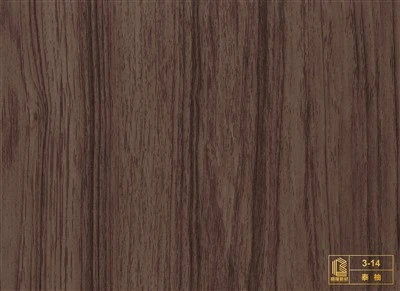
If you’re working on a project and want to learn more about how our matte wood grain film will hold up to your specific chemical needs, feel free to reach out to discuss your requirements. We can provide sample pieces for testing, share detailed performance data for our film lines, and help you pick the right product for your space.
Soft Touch PVC Film References
- Modern Plastics Materials: Types, Properties, and Applications. Society of Plastics Engineers, 2021.
- Decorative Films for Interior Surfaces: Performance Characteristics and Maintenance Guidelines. International Interior Design Association, 2022.
- Polyethylene Terephthalate (PET) vs. Polyvinyl Chloride (PVC) for Decorative Film Applications. Journal of Polymer Science and Engineering, Vol. 45, No. 3, 2023.
- Chemical Resistance of Matte Finishes for Residential and Commercial Surfaces. Building Materials and Construction Technology Journal, 2022.
- Maintenance Best Practices for Decorative Films in High-Traffic Environments. National Association of Home Builders, 2021.
Zhejiang Biaolong New Materials Co., Ltd.
Zhejiang Biaolong New Materials Co., Ltd. is one of the most experienced matte wood grain film manufacturers and suppliers in China, also supports customized service. We warmly welcome you to buy high quality matte wood grain film in stock here from our factory. If you have any enquiry about cooperation, please feel free to email us.
Address: No.2 Helai Road, Lianhua Mountain Industrial Park, Jiangshan City
E-mail: Yuspvc@gmail.com
WebSite: https://www.biaolongpvc.com/
