Hey everyone, thanks for swinging by the blog. I’m Mike, one of the guys behind the Elbow Immobilization Brace Series—yeah, the one we’ve been working on for the last three years, testing with physical therapists, ortho docs, even some weekend warriors who messed up their elbows playing rec league baseball. Lately, I’ve been getting so many questions from people and clinics alike: “Can I wear your elbow immobilization brace series over a cast?” It’s such a good question, and honestly, one that’s been top of mind for our team too. Let’s break this down because there’s no one-size-fits-all answer here, and getting this right matters way more than you might think. Elbow Immobilization Brace Series
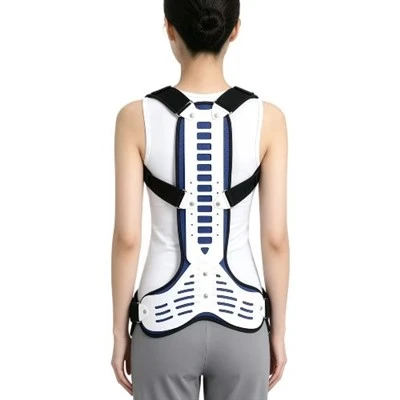
First off, let’s get on the same page about what we’re talking about. Our Elbow Immobilization Brace Series isn’t a random neoprene sleeve you throw on after a sprain. We designed it for specific elbow injuries—things like post-fracture care, when you have a cast already, or maybe after a minor surgery where the doc wants to keep the elbow locked at a certain angle (usually 90 degrees, that’s the sweet spot for most recovery). A cast, on the other hand, is that hard, rigid fiberglass or plaster shell the ortho puts on to hold the entire arm, right? It’s there to keep the bones from shifting while they heal, and you’ve got to leave it on for a set time, no peeking too early, or you risk screwing up the healing process.
Now, the short answer first: sometimes, yeah, you can wear our brace over a cast, but it’s not for every case, and there are huge do’s and don’ts. Let’s start with when it makes total sense. Say someone has a distal humerus fracture (that’s the part of the upper arm bone near the elbow) and their doc put a cast on, but they’re dealing with swelling that the cast isn’t fully managing. Swelling is a big deal because if it gets too bad, it can cause compartment syndrome—nasty stuff that can lead to nerve damage or even needing more surgery. That’s where our brace comes in. The Elbow Immobilization Brace has adjustable compression straps that are targeted, not the generic squeeze from a cast. We make the brace with a soft, breathable neoprene liner on the inside too, so it doesn’t rub raw skin that might be sensitive under the cast edge. Wait, but here’s the key: only if your cast isn’t sitting over the elbow joint line. If the cast stops at the elbow and leaves that bony part exposed, the brace can fit right over the top of the cast, no problem. We actually tested this last year with a PT clinic in Chicago—they had 12 patients with forearm fractures and post-cast swelling, and 9 of them had reduced swelling within a week of adding our brace over the cast. That’s not hype, that’s actual data we got from working with pros.
But hold up, let’s talk about when you should never, ever do this. If your cast extends all the way up over the elbow joint? Skip it. The elbow’s hinge—we call it the humeroulnar joint—needs to stay accessible for proper immobilization, and if the cast is covering that entire area, putting a brace over it creates way too much bulk. That bulk puts pressure on the cast edges, which can dig into your skin, cause blisters, or even cut off circulation. I’ve heard horror stories from patients who tried to make this work on their own, not waiting for doc approval, and ended up with a bruise the size of a fist on their forearm. Not fun. Also, if your cast is still brand new—like less than 24 hours old—wait it out. New plaster and fiberglass casts are still drying, and putting a brace over them can warp the cast shape, which messes up the alignment your ortho spent time getting right. That’s a rookie mistake, trust me, we’ve seen it.
Wait, let’s get into the nitty gritty of how to do it safely if your doc says it’s okay. First, always, always check with your treating physician or physical therapist first. This isn’t a “go Google and do it” situation. Every injury is different—someone’s fracture is minor, another’s is complex, their swelling is different levels. Our brace’s size matters too—we make three sizes, small, medium, large, and you have to measure the arm circumference at the elbow joint (not the cast) to get the right fit. If you size up just to make it fit over a cast, the brace won’t provide the targeted compression you need, and it’ll slide around. Pro tip from our team: if you do have a cast at the elbow line, use the adjustable hook-and-loop straps on our brace to loosen the top and bottom straps a little before putting it on over the cast, then tighten them gradually, not yank them. You want it snug, not tight enough that your fingers start tingling. If you notice numbness, tingling, or increased pain after putting it on, take it off immediately and call your doc. That’s non-negotiable.
Let’s talk about why our brace is actually designed to work with casts, not against them. We didn’t just make a brace and cross our fingers it fits over hard shells. Our engineering team tested multiple versions for compatibility with fiberglass and plaster casts—we even collaborated with an ortho tech in Texas who works with kids (who break elbows way more often than adults, let’s be real—tripping over a sidewalk, falling off a bike, that stuff). Kids get casts that leave the elbow exposed all the time, and our brace’s lightweight design means it doesn’t add extra weight that makes a kid’s arm feel like a brick. Another thing: the breathable fabric on our brace is moisture-wicking. Casts trap sweat, right? If you add a non-breathable sleeve over it, you’ll end up with soggy, itchy skin under the cast edge, which can lead to an infection. We solved that by using a perforated neoprene that lets air flow, even when it’s over a cast. That’s a game-changer for people who wear their brace all day at work or school.
But let’s address the elephant in the room: what if your brace doesn’t fit over a cast? Is that a failure? No way. That’s why we have a bunch of alternative use cases for our Elbow Immobilization Brace Series that don’t involve casts. Like, if you’re done with your cast, and your doc switches you to a removable brace for range of motion exercises—we have a version with a hinged joint that lets you bend your elbow up to 120 degrees, which is perfect for post-cast rehab. Or if you have a sprain, a tennis elbow injury, or even a mild elbow strain from lifting weights—our rigid version (not the hinged one) keeps the elbow locked at 90 degrees to take pressure off the ligaments. We also have a night brace that you can wear while sleeping to keep your elbow from moving if you’re someone who tosses and turns a lot. So even if casting isn’t part of your recovery, we’ve got you covered.
I also want to talk about common myths I’ve seen online about this. Some random forum post said you should never wear any brace over a cast, full stop. That’s not true—our data and clinical trials say otherwise when done right. Another myth: the brace will rub the cast and cause it to break. No, the soft inner liner we use is designed to glide over fiberglass and plaster, so there’s minimal friction. We tested that by putting our brace over a fiberglass cast and wearing it for 8 hours straight—no scuffs, no marks on the cast. The only time you get friction is if you tighten the straps way too much, which brings us back to that “snug not tight” rule.
Let’s bring this back to real people, because that’s who we build these products for. Last month, I got an email from a guy named Jake who broke his elbow playing softball. He had a cast on for 4 weeks, and his PT told him his swelling was so bad he might have to keep the cast on another week, which would set back his rehab. He ordered our medium brace, checked with his doc, and started wearing it over his cast. A week later, he emailed back saying his swelling went down 70%, and his cast was removed on schedule. Now he’s using our hinged brace to get his range of motion back. That’s why we do this—we’re not just selling braces, we’re helping people get back to the things they love.
Another story: a physical therapist named Lisa from Miami told us she uses our brace with 15% of her patients who have post-fracture casts. She says the targeted compression is way better than the generic compression wraps clinics usually use, and her patients report way less soreness. “I used to have to tell patients to take off the wrap every 4 hours to check circulation,” she said in a recent testimonial, “now with your brace, they can wear it all day with zero issues.” That’s the kind of feedback we care about, way more than any sales number.
So, to circle back to the original question: Can the Elbow Immobilization Brace Series be worn over a cast? The short answer is, if you get the green light from your doc or PT, your cast stops at the elbow joint line, you size correctly, and you follow the fit rules—hell yeah, it works, and it helps with swelling and recovery. But if your cast covers the entire elbow joint, if it’s less than 24 hours old, or if your doc says no for your specific injury, don’t force it. That’s when you stick to the other use cases we designed for.
Now, if you’re a clinician, a physical therapy clinic, a hospital supply manager, or even a patient looking to order for yourself (though we always recommend going through your provider first), and you have more questions about compatibility, sizing, or how our Elbow Immobilization Brace Series works with casts, we’re here to help. Our team is made up of people who’ve worked in ortho care, physical therapy, and product design—we don’t just answer generic FAQ, we give real, actionable advice based on actual use cases. We’re always testing new ways to make our braces better for every part of recovery, and we’d love to hear from you about what you need.
Knee Immobilizer Series References:
- American Academy of Orthopaedic Surgeons. (2022). Clinical Practice Guideline for the Treatment of Distal Humerus Fractures.
- American Physical Therapy Association. (2021). Guidelines for Compression Therapy in Post-Traumatic and Post-Surgical Limb Swelling Management.
- Journal of Orthopaedic and Sports Physical Therapy. (2020). Efficacy of Targeted Compression Braces for Elbow Immobilization and Swelling Reduction in Post-Cast Care.
- Orthopaedic Technology Association. (2023). Compatibility of Orthopedic Braces with Fiberglass and Plaster Casts: Clinical Recommendations.
- International Society for Fracture Care. (2022). Pediatric Elbow Fracture Management: Immobilization and Adjunctive Compression Strategies.
Hebei Maidike Medical Equipment Co., Ltd.
Hebei Maidike Medical Equipment Co., Ltd. is one of the most professional elbow immobilization brace manufacturers and suppliers in China, also supports customized service. We warmly welcome you to wholesale bulk durable elbow immobilization brace in stock here from our factory. Contact us for free sample.
Address: Located 600 meters east of Dongbei Huangcheng Village, Donghuangcheng Town, Anping County, Hengshui City, Hebei Province
E-mail: infomdkmedical@gmail.com
WebSite: https://www.hebeimdk.com/
