Hey there, folks! If you’ve ever hunted for optical grade PET film rolls, you know it’s not just about clarity and thickness—especially if they’re going into screens, LED displays, or even some specialized packaging. Let’s cut to the chase: fire safety is non-negotiable here, and that’s where flame-retardant grades come in. As a supplier who’s been deep in this space for, like, 8 years, I get that most buyers don’t want the jargon dump—they just want to know which grade fits their project, why it matters, and what my team actually stocks. Let’s break this down straight, no corporate fluff. Optical Grade PET Film Roll
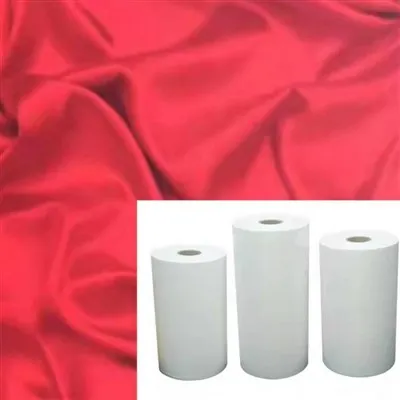
First, let’s level-set quick: optical grade PET (polyethylene terephthalate) is different from regular PET water bottles. It’s super clear, has zero haze, tight thickness tolerances, and can handle high temps without warping. But regular PET is flammable—burns pretty easily, right? So when you need it for electronics, signs, or anything near power sources, you add flame retardants without killing that perfect clarity. That’s where those “grades” come in.
Let’s start with the most common one everyone asks about: V0 Grade. Wait, not the movie kind—UL 94 V0, that’s the standard everyone in this industry references. UL is Underwriters Laboratories, the safety guys we all trust. V0 is the big cheese for most display-related optical films. Here’s the breakdown: when a small flame touches this film, it stops burning within 10 seconds max, drips nothing that keeps burning, and has zero afterglow. Why do my customers go for this? They’re making smartphone screens, TV backlights, tablet touch layers—stuff that’s near batteries or circuit boards. Last year, I had a client who supplies a major laptop brand; they switched to our V0 optical PET rolls because their old supplier’s film kept failing flammability tests during final quality checks. No joke, that cost them a production delay. The V0 grade works because we add specific halogen-free additives (important now—customers hate toxic stuff) that don’t cloud the film. I test every batch myself, too—if haze creeps above 0.1%, it’s out, no exceptions. That’s a non-negotiable for optical grade, right?
Next up, V2 Grade. Don’t sleep on this one—it’s not as strict as V0, but it’s perfect for a ton of low-risk optical applications. UL 94 V2 means the flame stops in under 30 seconds, and it can drip, but those drips self-extinguish. No afterglow. What’s it used for? Think about decorative light panels, point-of-sale displays, or the protective outer layers on indoor LED signs. I have a small business client who sells custom wall art with backlit panels—they don’t need the extreme V0 for a wall piece, but they don’t want it burning if a wiring issue pops up. The V2 grade is cheaper, way easier to source in bulk, and still meets all safety codes for indoor use. A lot of new startups go for V2 first because it’s more budget-friendly, which makes total sense when you’re just testing your product line. I’ll be honest, though—my team only stocks V2 if a customer explicitly asks for it, because most people end up upgrading to V0 once they scale. But it’s good to have for niche projects.
Wait, what if someone needs something that’s not rated for vertical burning? Oh right, HB Grade—short for Horizontal Burn. That’s the least strict UL 94 grade. The flame goes out in under 7.5 inches of travel, or within 60 seconds total. This is mostly for non-electronic optical stuff, like clear overlays for non-electronic signage, or packaging for optical components that don’t touch power. I only have a handful of customers asking for HB, and they’re usually making outdoor promotional displays that aren’t near electricity. But I do keep a small stock just in case—you never know when someone needs that specific lower flammability for a one-off run.
Now, hold on—there’s another big category that’s popping up a lot lately: Halogen-Free Flame-Retardant (HFFR) Optical Grade PET. A lot of people mix this up with V0 or V2, but it’s a separate attribute. Old-school flame retardants used halogens, which release toxic fumes when burned. That’s a huge no-no now for anything that goes into public spaces, or even products that get recycled. My HFFR grades (both V0 and V2 rated) are super popular with customers making school projectors, hospital display screens, or even food packaging overlays that use PET. Last quarter, a medical device company reached out because their old film was failing REACH compliance (EU safety rules) due to halogen content. We switched them to our HFFR V0 grade, and they’ve been a repeat client ever since. It’s a bit pricier upfront, but the long-term compliance and safety for end users make it worth it.
Wait, is there a grade beyond V0? Yeah, sometimes people mention VTM-0. That’s Vertical Thin Material, specifically for super thin films (under 1mm, which optical film usually is). It’s almost identical to V0, but the test standard is for thin, flexible materials, which is exactly what we sell. Most customers don’t know the difference, but I always specify VTM-0 when that’s what they need, because it’s a better fit for our ultra-thin optical rolls. For example, our 125-micron thick film is tested to VTM-0, not just V0, because that’s the real-world performance when it’s laminated into a display.
Now, let’s talk about the stuff that’s not a grade but still matters—common mistakes people make when picking these. First, don’t just go for the highest grade. If your product is a wall sign, paying for V0 is a waste of money. Second, always check if the grade is truly optical. I’ve had customers come to me saying “I found cheaper flame-retardant PET rolls” only to show me a film with 2% haze—totally not usable for displays. The flame retardants can mess with clarity if not formulated right, so that’s where my team’s expertise comes in. We tweak the additive mix so it doesn’t kill the optical properties, and every roll gets a haze and transmission test before it ships.
Another thing: batch consistency. When a customer is running a 100,000-unit production, they can’t have some rolls passing flammability and others failing. I’ve seen competitors skip small-batch flammability tests to save money, and that leads to huge issues down the line. My team runs three tests per production run: one for flammability, one for haze, one for thickness tolerance. If any of those are off, the whole batch gets scrapped. No exceptions. That’s why some of my clients have been with me for 5+ years—they trust that every roll is exactly what they ordered.
Wait, what about outdoor use? A lot of people ask if these flame-retardant grades work outside. The short answer: the UL 94 grades I mentioned are for indoor use, or short-term outdoor (like a few months for a trade show). If you need optical PET for outdoor signs that last years, we have a UV-stabilized V0 grade, too. It’s the same flame retardant mix, but added UV inhibitors so it doesn’t yellow or break down in sunlight. That’s a specific grade that’s a bit more specialized, but I keep stock of it for customers making outdoor digital billboards or exterior LED displays.
Let me give you a quick real example to make this concrete. Last month, a customer who makes in-store digital price tags hit me up. They were having issues with their old PET film melting near the in-store power outlets. They needed something thin (75 microns, perfect for their tags), crystal clear, and flame-retardant. I recommended our HFFR VTM-0 grade. We sent them a sample, they tested it against the old stock, and it passed every flammability test, had the same low haze, and didn’t cost them a fortune. Now they’re placing monthly bulk orders. That’s what I love—matching the right grade to the exact need, not just pushing the most expensive stuff.
Now, a quick note on certifications. All the grades I mentioned are UL 94 certified, which is the gold standard in this space. The HFFR grades are also REACH and RoHS compliant, so if you’re selling in the EU or North America, that’s all covered. I never sell uncertified flame-retardant film—cutting corners on safety is not worth it, and it hurts both my business and my customers’ reputations.
Wait, are there any other grades out there? Sometimes you’ll hear about 5VA, which is a stricter UL 94 grade that’s for harder materials, not flexible thin optical film. So that’s irrelevant for us, just a note to not get confused. The thin-film specific grades (V0, V2, HB, VTM-0) are all you need for optical PET rolls.
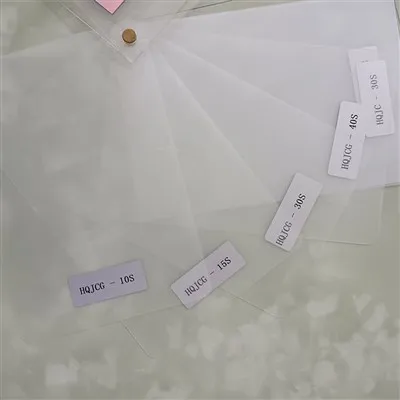
Let’s wrap this up with the practical stuff. If you’re shopping for optical grade PET film rolls and need flame retardant, start by answering three questions: 1) Where will the final product be used? (Indoor near electronics? Outdoor? Non-electronic?) 2) Do you need halogen-free for compliance or safety? 3) What thickness and haze do you need? That’ll narrow it down to the right grade. And if you’re not sure, just reach out—my team and I have test samples of every grade we stock, so you can test before you commit to a bulk order.
I know this blog is long, but I wanted to skip the generic supplier fluff. At the end of the day, I’m not just selling rolls—I’m helping my customers make products that are safe, compliant, and work as intended. If you’ve got a project coming up, whether it’s a small prototype run or a massive production, hit me up to chat. We can send samples, walk through the specs, and make sure you get exactly the flame-retardant optical PET grade you need. No pressure, no pushy sales calls—just real talk from someone who’s been in this game too long to waste your time.
Small Roll Laminating Film References:
- Underwriters Laboratories. (2020). Standard for Safety of Flammability of Plastic Materials for Parts in Devices and Appliances (UL 94).
- European Chemical Agency. (2023). REACH Regulation Annex XVII: Restriction of Substances of Concern.
- International Electrotechnical Commission. (2021). Optical Films for Displays – General Specification (IEC 62788-1-1).
Yantai Hongqing Packing Material Co., Ltd.
Yantai Hongqing Packing Material Co., Ltd. is one of the most professional optical grade pet film roll manufacturers and suppliers in China, also supports customized service. Welcome to wholesale advanced optical grade pet film roll made in China here and get quotation from our factory. Quality products and reasonable price are available.
Address: Eastern Industrial Park, Taocun, Yantai, Shandong Province, China
E-mail: cindy@ythongguang.cn
WebSite: https://www.hqingnewmat.com/
