Hey there! I’m a supplier of Turbine Flow Meters. You know, these meters are pretty handy for measuring the flow rate of fluids in all sorts of industries. But one thing that can really throw a wrench in the works is a change in fluid composition. So, let’s dig into what kind of effect this can have on Turbine Flow Meter measurement. Turbine Flow Meter
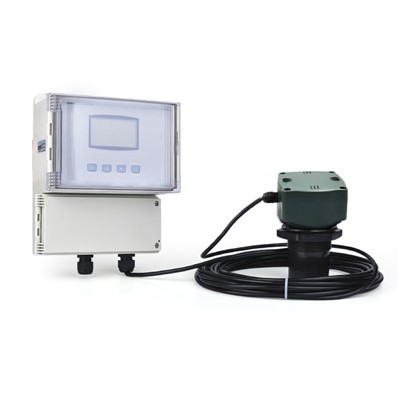
First off, let’s understand how Turbine Flow Meters work. They’ve got a turbine inside that spins when the fluid flows through. The speed of this spin is directly related to the flow rate of the fluid. It’s a simple yet effective design. The faster the fluid moves, the faster the turbine turns, and we can measure this rotation to figure out how much fluid is passing through.
Now, when the composition of the fluid changes, it can mess with this whole process. One of the main factors affected is the density of the fluid. Density is basically how much mass is packed into a certain volume. If the fluid gets denser, it means there’s more stuff in that same amount of space. This can make the turbine spin slower than it normally would for a given flow rate.
Let me give you an example. Say you’re measuring the flow of water, and then some dissolved salts get added to it. The salt makes the water denser. As this denser water flows through the Turbine Flow Meter, it’s like the turbine has to work harder to move through it. So, it spins at a lower speed, and if we’re not aware of this change, we might think the flow rate is lower than it actually is.
Another aspect is the viscosity of the fluid. Viscosity is all about how thick or sticky the fluid is. Honey is more viscous than water, for instance. When the viscosity changes due to a composition shift, it can also impact the performance of the Turbine Flow Meter.
If the fluid becomes more viscous, it creates more resistance against the turbine blades. This resistance slows down the rotation of the turbine, just like the increased density did. On the other hand, if the fluid becomes less viscous, the turbine might spin a bit faster because there’s less resistance.
Let’s say you’re dealing with a petroleum product. Maybe some additives are mixed in to change its properties. These additives can increase the viscosity. When the more viscous fluid passes through the Turbine Flow Meter, the readings are going to be off. You’ll think the flow rate is lower than it really is because the turbine isn’t spinning as fast as it should for the actual amount of fluid flowing.
But it’s not just about the physical properties like density and viscosity. The chemical composition can also play a role. Some fluids might contain particles or dissolved gases. These can cause wear and tear on the turbine blades over time.
If the fluid has abrasive particles, they can scratch and erode the turbine blades. This changes the shape of the blades, and as a result, the way the turbine interacts with the fluid is altered. The accuracy of the flow measurement can take a nosedive.
Dissolved gases are also a problem. They can come out of solution and form bubbles as the fluid passes through the meter. These bubbles can disrupt the flow pattern and make the turbine spin erratically. This leads to inconsistent and inaccurate flow measurements.
So, what can we do about all these issues caused by fluid composition changes? Well, one option is to have a calibration system in place. Regular calibration ensures that the Turbine Flow Meter is adjusted to account for any changes in the fluid’s properties.
For example, if you know that the fluid composition is going to change periodically, you can set up a schedule to recalibrate the meter. This will help maintain accurate flow measurements.
Another approach is to use advanced Turbine Flow Meters that are equipped with sensors to detect changes in fluid density and viscosity. These smart meters can automatically adjust the measurement based on the detected properties of the fluid.
As a supplier, I’ve seen firsthand how fluid composition changes can cause headaches for our customers. That’s why we’re always working on improving our Turbine Flow Meters to be more resilient to these changes.
We’re constantly researching and developing new materials for the turbine blades. These materials are more resistant to wear and corrosion, which helps keep the meter accurate even when dealing with fluids that have abrasive particles or harsh chemical compositions.
We’re also investing in better sensor technology. Our new meters can detect even subtle changes in fluid properties and make real – time adjustments to the flow measurement. This means our customers can get accurate readings no matter what kind of fluid they’re dealing with.
If you’re in an industry where fluid composition changes are common, like the chemical, food and beverage, or oil and gas industries, you need a reliable Turbine Flow Meter. Our meters are designed to handle these challenges and provide you with accurate and consistent flow measurements.
Whether you’re looking to replace an old, unreliable meter or you’re starting a new project and need a high – quality flow measurement solution, we’ve got you covered. Our team of experts is always ready to help you choose the right Turbine Flow Meter for your specific needs.
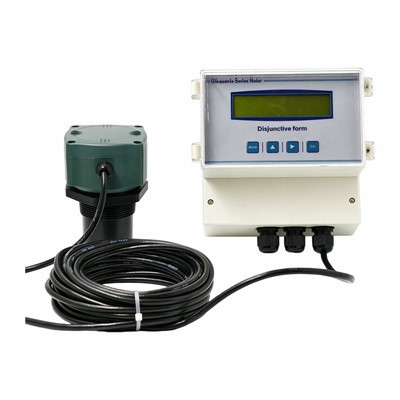
So, if you’re interested in learning more about our Turbine Flow Meters or you want to discuss a potential purchase, don’t hesitate to reach out. We’re here to make the process as smooth as possible and ensure that you get the best value for your money.
Ultrasonic BTU Meter In conclusion, fluid composition changes can have a significant impact on Turbine Flow Meter measurement. But with the right technology and a proactive approach to calibration and maintenance, these issues can be managed. And that’s where we come in as your trusted Turbine Flow Meter supplier.
References
- ISO 9951:2019, “Measurement of fluid flow by means of turbine meters”
- Miller, R. W. (1989). Flow measurement engineering handbook. McGraw – Hill.
- American Petroleum Institute (API), “Measurement of Liquid Hydrocarbons by Turbine Meters”.
Dalian Yheng Technology Co., Ltd.
Dalian Yheng Technology Co., Ltd. is one of the leading turbine flow meter manufacturers and suppliers in China, also supports customized service. We warmly welcome you to buy high quality turbine flow meter in stock here from our factory. Contact us for more details.
Address: F1605, NO.10 Huoju road, High-tech Industrial Zone, Dalian, China
E-mail: admin@dlyheng.com
WebSite: https://www.yhengphmeter.com/
