Yeah, so I’m running a business as a steel deoxidizer supplier, and one of the questions I get a lot is, "Are there any regulations for the use of steel deoxidizers?" Well, let me tell you, it’s a bit of a mixed bag. Steel Deoxidizer

First off, we gotta understand what steel deoxidizers are for. In the steel – making process, oxygen can cause a bunch of problems. It can lead to porosity in the steel, reduce its strength, and mess up its overall quality. That’s where deoxidizers come in. They react with the oxygen in the molten steel, forming oxides that can be removed, leaving behind cleaner, stronger steel.
Now, when it comes to regulations, there are definitely some on the global scale. International standards organizations like the International Organization for Standardization (ISO) have set some general guidelines. ISO has a series of standards related to steel quality, and indirectly, these touch on the use of deoxidizers. For example, ISO 6935 – 2 specifies the technical delivery conditions for steel bars, rods, and wires. While it doesn’t directly say how much deoxidizer you should use, it does set requirements for the final steel product’s chemical composition and mechanical properties. And since the use of deoxidizers affects these aspects, it’s kind of a back – door way of regulating their use.
In the United States, the American Society for Testing and Materials (ASTM) also plays a huge role. ASTM has a ton of standards for different types of steel. For instance, ASTM A36 is a standard specification for carbon structural steel. When steel producers are making A36 steel, they need to meet certain requirements for elements like carbon, manganese, phosphorus, and sulfur. Using the right amount and type of deoxidizer is crucial to ensure that these elements are in the proper balance. The Environmental Protection Agency (EPA) also has its say. They’re concerned about the pollution that can be generated during the steel – making process. Some deoxidizers, when they react with oxygen, can produce by – products that might be harmful to the environment. So, the EPA regulates the emissions associated with the use of these chemicals in the steel – making industry.
Over in the European Union, regulations are even more strict. The REACH (Registration, Evaluation, Authorization, and Restriction of Chemicals) regulation covers a wide range of chemicals, including some of the compounds used as steel deoxidizers. Under REACH, chemical substances used in industrial processes need to be registered, and there are requirements for safety data sheets and risk assessments. This means that steel producers over there have to be really careful about which deoxidizers they use and how they use them.
Let’s talk about some of the common types of steel deoxidizers and how regulations might apply to them.
Aluminum is one of the most widely used deoxidizers. It’s great because it forms aluminum oxide, which can float to the top of the molten steel and be easily removed. However, there are limits to how much aluminum you can use. Excessive aluminum in the steel can lead to problems like nozzle clogging during casting. Some steel standards have maximum limits for aluminum content. For example, in some alloy steels, the aluminum content might be restricted to a certain percentage to ensure proper casting and the final product’s performance.
Silicon is another popular deoxidizer. It’s used in combination with other elements like manganese. Silicon forms silica (SiO₂) when it reacts with oxygen. The regulations here are more about the overall chemical balance of the steel. If there’s too much silicon, it can increase the hardness of the steel, which might not be desirable for some applications. So, steel producers need to follow the standards set by organizations like ASTM and ISO regarding the silicon content in the final steel product.
Calcium is also used as a deoxidizer, especially in some high – quality steels. It can help with desulfurization as well. But calcium is a reactive element, and using it requires careful handling. There are regulations regarding the storage and handling of calcium – based deoxidizers to prevent fires and explosions. And again, the final calcium content in the steel is typically regulated based on the steel’s intended use.
As a supplier, these regulations are a double – edged sword. On one hand, they ensure that the steel being produced is of high quality, which is good for our reputation as a deoxidizer supplier. After all, if the steel producers are making lousy steel because of improper deoxidizer use, it’s not going to reflect well on us. On the other hand, these regulations add a layer of complexity to our business. We need to make sure that the deoxidizers we supply meet all the relevant standards.
We have to do a lot of testing on our products. Our lab technicians are constantly running experiments to ensure that the chemical composition of our deoxidizers is within the acceptable ranges. We also need to provide accurate documentation to our customers, telling them about the properties of our deoxidizers and how to use them in a way that complies with the regulations.
Another aspect is the cost. Complying with regulations often means investing in better production equipment, more rigorous testing procedures, and more detailed documentation. All these things increase our costs, which we then have to pass on, at least partially, to our customers. But most of them understand that it’s necessary to produce high – quality steel.
In conclusion, there are definitely regulations for the use of steel deoxidizers. These regulations come from different sources, like international standards organizations, national regulatory bodies, and environmental agencies. They cover everything from the chemical composition of the final steel product to the safety of handling and using the deoxidizers.
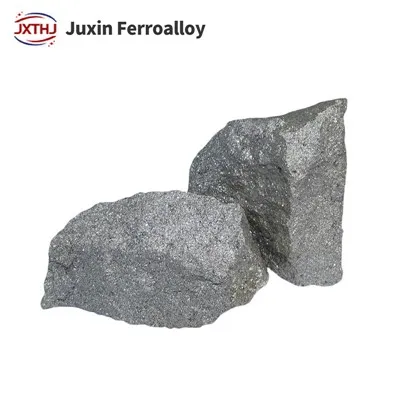
If you’re in the steel – making business and are looking for a reliable steel deoxidizer supplier, you’ve just found one. I’ve been in this game for a while, and I know how to navigate the complex world of regulations. My team and I are ready to provide you with top – notch deoxidizers that meet all the requirements. Whether you need aluminum – based, silicon – based, or calcium – based deoxidizers, we’ve got you covered. So, if you’re interested in discussing your specific needs and getting a quote, don’t hesitate to reach out. Let’s work together to make high – quality steel that meets all the standards.
Silicon Series References:
- ASTM International standards related to steel
- ISO standards for steel quality
- REACH regulation documents
- EPA regulations on industrial emissions in the steel industry
Anyang Juxin Ferroalloy Co., Ltd.
We’re well-known as one of the leading steel deoxidizer manufacturers and suppliers in China, featured by quality products and good price. Please rest assured to wholesale bulk steel deoxidizer for sale here from our factory. Customized orders are welcome.
Address: Longquan Town, Industrial Development Zone, Long’an District, Anyang City, Henan Province
E-mail: 18837281661@163.com
WebSite: https://www.jxferroalloy.com/
