Flat litz wire, a specialized type of wire, has gained significant popularity in various high – frequency applications due to its unique electrical properties. As a supplier of flat litz wire, I am often asked about the common materials used to make this essential product. In this blog, I will delve into the materials that are typically used in the manufacturing of flat litz wire, their characteristics, and why they are chosen for specific applications. Flat Litz Wire
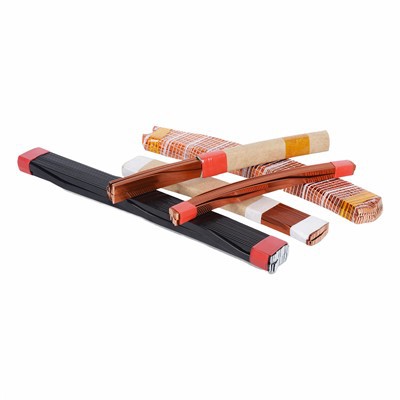
Copper
Copper is by far the most commonly used material for making flat litz wire. There are several reasons for its widespread use. Firstly, copper has excellent electrical conductivity. It has a relatively low electrical resistance, which means that it can efficiently conduct electricity with minimal power loss in the form of heat. This property is crucial in high – frequency applications where even small amounts of power loss can have a significant impact on the overall performance of the device.
Secondly, copper is highly malleable and ductile. These characteristics allow it to be easily drawn into thin strands, which is a fundamental requirement for the manufacturing of litz wire. In a flat litz wire, multiple thin copper strands are woven or braided together to form the final wire structure. The ability of copper to be formed into these thin strands without breaking or losing its structural integrity is essential for the proper functioning of the flat litz wire.
In addition, copper has good corrosion resistance. Although it can oxidize over time, the oxide layer that forms on the surface of copper is relatively stable and does not significantly impair its electrical conductivity. This makes copper suitable for use in a wide range of environments, both indoor and outdoor.
There are different grades of copper used in flat litz wire manufacturing. Oxygen – free copper (OFC) is a popular choice. OFC has a very low oxygen content, which further enhances its electrical conductivity and reduces the likelihood of corrosion. It is commonly used in high – end applications where the utmost in electrical performance is required, such as in aerospace and high – frequency communication systems.
Silver
Silver is another material that is sometimes used in the production of flat litz wire, especially for applications that demand the highest possible electrical conductivity. Silver has the highest electrical conductivity of all metals, even higher than copper. This makes it an ideal choice for situations where minimizing power loss is of the utmost importance, such as in very high – frequency applications or in precision electronic equipment.
However, the main drawback of using silver is its high cost. Silver is significantly more expensive than copper, which limits its widespread use. As a result, silver – coated copper wire is often used as a compromise. In this type of wire, a thin layer of silver is deposited on the surface of a copper strand. This provides many of the benefits of silver, such as improved conductivity, while keeping the cost relatively low compared to using pure silver wire.
Silver also has excellent corrosion resistance, even better than copper in some cases. This makes it suitable for use in harsh environments where the wire may be exposed to moisture, chemicals, or other corrosive substances.
Aluminum
Aluminum is a more cost – effective alternative to copper and silver for making flat litz wire. It is much lighter than copper, which can be an advantage in applications where weight is a concern, such as in aerospace and automotive industries. Aluminum also has relatively good electrical conductivity, although it is lower than that of copper.
One of the challenges of using aluminum in flat litz wire is its relatively high coefficient of thermal expansion. This means that aluminum expands and contracts more than copper when exposed to temperature changes. In applications where the wire may experience significant temperature variations, special considerations need to be taken to prevent mechanical stress and potential damage to the wire.
Another issue with aluminum is its oxide layer. Unlike copper, the oxide layer on aluminum is a poor conductor of electricity. Therefore, proper surface treatment is required when using aluminum in litz wire to ensure good electrical contact between the strands.
Insulation Materials
In addition to the conductive materials, insulation is also a critical component of flat litz wire. The insulation material serves to separate the individual strands within the wire and prevent short – circuits. Different types of insulation materials are used depending on the specific application.
Polyethylene
Polyethylene is a widely used insulation material for flat litz wire. It has excellent electrical insulation properties, low dielectric constant, and good chemical resistance. Polyethylene is also relatively inexpensive and easy to process, which makes it a popular choice for many general – purpose applications.
Polyurethane
Polyurethane is another common insulation material. It offers good flexibility and abrasion resistance, which is important in applications where the wire may be subject to mechanical stress or movement. Polyurethane – insulated litz wire is often used in applications such as motors, transformers, and power supplies.
Teflon (PTFE)
Teflon, or polytetrafluoroethylene (PTFE), is a high – performance insulation material. It has extremely low dielectric loss, high temperature resistance, and excellent chemical inertness. Teflon – insulated flat litz wire is commonly used in high – frequency and high – temperature applications, such as in microwave devices and aerospace electronics.
Conclusion
As a supplier of flat litz wire, understanding the properties and applications of different materials is crucial. Copper remains the workhorse material for most flat litz wire applications due to its excellent electrical conductivity, malleability, and corrosion resistance. Silver is used in high – end applications where the highest conductivity is required, often in the form of silver – coated copper wire. Aluminum provides a cost – effective and lightweight alternative, although it requires special considerations due to its thermal expansion and oxide layer.
The choice of insulation material also plays a vital role in determining the performance and suitability of the flat litz wire for a particular application. Whether it’s the general – purpose polyethylene, the flexible polyurethane, or the high – performance Teflon, each insulation material offers unique advantages.
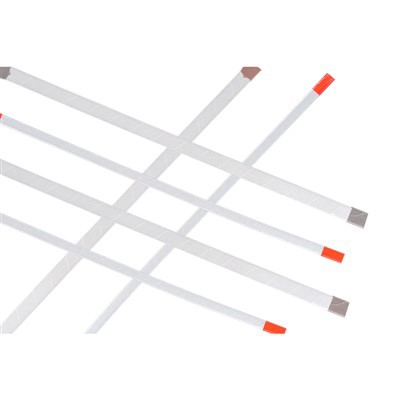
Continuously Transposed Conductors If you are in need of high – quality flat litz wire for your specific application, I encourage you to reach out for a detailed discussion. Our team of experts is ready to provide you with the best solutions based on your requirements. We can help you select the most appropriate materials and wire configurations to ensure optimal performance and cost – effectiveness. Don’t hesitate to contact us for a procurement discussion.
References
- "Handbook of Electrical Conductors", McGraw – Hill
- "Materials Science and Engineering: An Introduction", William D. Callister Jr.
- "High – Frequency Electronics", various issues
Tianjin Jingwei Power Technology Co., Ltd.
As one of the most professional flat litz wire manufacturers and suppliers in China, we’re featured by quality products and good service. Please rest assured to buy durable flat litz wire made in China here from our factory. Contact us for more details.
Address: No.1 Chuangxin Rd. Xiaozhan Industrial Park, Jinnan District, Tianjin, China
E-mail: info@jwdc.cn
WebSite: https://www.jw-dcs.com/
