When dealing with water treatment systems, the selection of appropriate tubing is crucial. As a supplier of clear PVC tubing, I’ve often been asked if our product can be used in water treatment applications. In this blog, I’ll delve into the properties of clear PVC tubing and analyze its suitability for water treatment systems based on scientific and practical perspectives. Clear PVC Tubing

Properties of Clear PVC Tubing
Clear PVC (Polyvinyl Chloride) tubing is a popular choice in various industries due to its unique set of properties.
First and foremost, its transparency is a significant advantage. This allows operators to visually inspect the flow of water, as well as detect any signs of blockages, contaminants, or air bubbles within the tubing. Such transparency is especially important in water treatment systems where the monitoring of water quality and flow is essential.
In terms of chemical resistance, clear PVC tubing generally shows good resistance to a wide range of chemicals commonly used in water treatment. It can withstand mild acids, alkalis, and many salts. For example, in a water treatment process that involves the addition of chlorine for disinfection, clear PVC tubing can usually tolerate the low – concentration chlorine environment without significant degradation.
Mechanical properties are also a consideration. Clear PVC tubing is relatively flexible, which makes it easy to install in complex water treatment setups. It can be bent and routed around equipment and other components without breaking, reducing the need for multiple joints and connections. This flexibility also helps to absorb vibrations that may occur in the system, thereby extending the life of the tubing and other connected parts.
Suitability in Different Water Treatment Stages
Pre – treatment
In the pre – treatment stage of water treatment, the main goal is to remove large particles, sediment, and some organic matter. Clear PVC tubing can be used for the conveyance of water from the source to the filtration units. Its transparency allows for quick identification of any large debris that may have entered the system. For example, if there are twigs, leaves, or sand particles in the water, they can be easily spotted in the clear tubing, indicating the need for a more thorough pre – filtration or a check of the intake system.
The chemical resistance of clear PVC tubing also makes it suitable for this stage. Pre – treatment may involve the addition of coagulants and flocculants to help the sedimentation of particles. These chemicals are often in the form of salts or polymers, and clear PVC tubing can withstand their contact without being corroded.
Filtration
During the filtration process, water passes through various filters such as sand filters, activated carbon filters, or membrane filters. Clear PVC tubing can be used to connect the different filtration components. For instance, it can carry the water from the pre – treatment tank to the sand filter and then from the sand filter to the activated carbon filter.
The transparency of the tubing is beneficial here as it allows operators to observe the water quality changes as it passes through each filter. If the water becomes cloudy or discolored after a certain filter, it may indicate a problem with the filter, such as a clogged media or a malfunctioning back – wash system.
Disinfection
Disinfection is a critical step in water treatment to kill harmful microorganisms. Common disinfection methods include the use of chlorine, ozone, or ultraviolet (UV) light.
In chlorine disinfection, clear PVC tubing can be used as long as the chlorine concentration is within its tolerance range. Chlorine is a strong oxidizing agent, but at the typical concentrations used in water treatment (usually less than 5 ppm), clear PVC tubing can maintain its integrity for a long time.
For UV disinfection systems, clear PVC tubing can be used to transport water through the UV chamber. The transparency of the tubing allows the UV light to penetrate the water effectively, ensuring proper disinfection.
Post – treatment and distribution
After the water has been treated, clear PVC tubing can be used for the post – treatment processes such as pH adjustment and the addition of any final chemicals. It can also be used for the distribution of the treated water within the facility.
The flexibility of the tubing makes it easy to install in the distribution network, whether it is a small – scale water treatment system for a single building or a large – scale system for an industrial complex.
Limitations of Clear PVC Tubing in Water Treatment
Despite its many advantages, clear PVC tubing also has some limitations in water treatment systems.
One of the main concerns is the potential for chemical leaching. PVC contains various additives such as plasticizers and stabilizers. Under certain conditions, especially in hot water or in the presence of specific chemicals, these additives may leach into the water. This can be a problem if the water is for drinking or other sensitive applications. Regulatory bodies often have strict limits on the amount of contaminants that can leach from tubing used in potable water systems.
Another limitation is its relatively low heat resistance. Clear PVC tubing has a maximum operating temperature of around 60 – 70°C. In some water treatment processes that involve high – temperature water, such as steam sterilization or hot water flushing, clear PVC tubing may not be suitable as it can deform or even melt at high temperatures.
Compliance and Safety
When using clear PVC tubing in water treatment systems, it is essential to ensure compliance with relevant safety and quality standards. In many countries, there are specific regulations regarding the use of materials in contact with drinking water. For example, in the United States, the NSF/ANSI 61 standard sets the requirements for materials that come into contact with drinking water to ensure that they do not introduce harmful contaminants.
As a supplier of clear PVC tubing, we are committed to providing products that meet these standards. Our manufacturing processes are carefully monitored to ensure that the tubing is free from excessive contaminants and that the additives used are safe for water contact. We also provide detailed technical data sheets and certification to our customers to demonstrate the compliance of our products.
Guidelines for Using Clear PVC Tubing in Water Treatment
To maximize the performance and safety of clear PVC tubing in water treatment systems, the following guidelines should be followed:
- Select the appropriate grade: Choose the clear PVC tubing grade based on the specific requirements of the water treatment process, such as the chemical composition of the water, the operating temperature, and the pressure.
- Proper installation: Ensure that the tubing is installed correctly, with no kinks or sharp bends that can cause flow restrictions or stress on the tubing. Use appropriate fittings and connectors to prevent leaks.
- Regular inspection: Conduct regular visual inspections of the clear PVC tubing to check for any signs of damage, such as cracks, swelling, or discoloration. Also, monitor the water quality for any signs of contamination.
- Temperature control: Keep the water temperature within the recommended operating range of the clear PVC tubing to prevent deformation or degradation.
Conclusion
In conclusion, clear PVC tubing can be a viable option for many water treatment systems. Its transparency, chemical resistance, and flexibility make it suitable for a variety of applications in different stages of water treatment. However, it is important to be aware of its limitations, such as the potential for chemical leaching and low heat resistance.
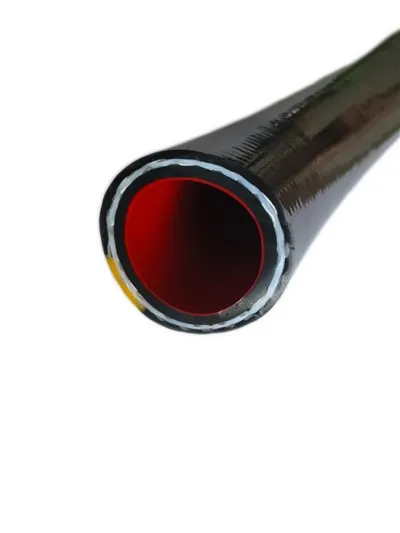
By following the relevant standards and guidelines, clear PVC tubing can provide a reliable and cost – effective solution for water treatment. As a supplier, I’m confident in the quality of our clear PVC tubing and its ability to meet the needs of various water treatment projects.
Flexible Plastic Pipe If you are interested in using clear PVC tubing for your water treatment systems or have any questions about our products, I encourage you to reach out to me for further discussion and potential procurement. We can work together to find the best tubing solutions for your specific requirements.
References
- ASTM International standards related to PVC tubing
- U.S. Environmental Protection Agency (EPA) guidelines on water treatment materials
- NSF/ANSI 61 standard for drinking water system components
Weifang Xinzhiyuan Plastic Co., Ltd.
As one of the most experienced clear pvc tubing manufacturers and suppliers in China, we offer a wide range of products with superior quality. Please feel free to wholesale premium clear pvc tubing made in China here from our factory. We also accept customized orders.
Address: No. 700, Tongle Street, Economic Development Zone, Changle County, Weifang City, Shandong Province
E-mail: hua@xzypvchose.com
WebSite: https://www.pvchose-xzy.com/
