Yo, what’s up, everyone! I’m a supplier of PU Sealed Rockwool Sandwich Panels, and today I wanna chat about one of the most frequently asked questions: What is the density of PU Sealed Rockwool Sandwich Panel? PU Sealed Rockwool Sandwich Panel
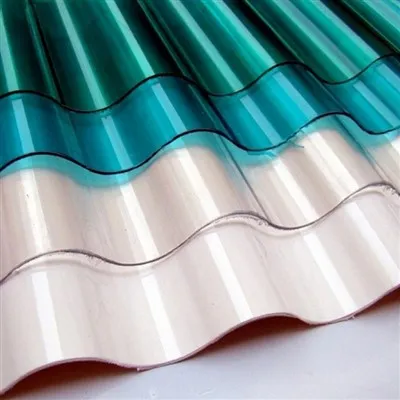
First off, let me give you a quick intro to what these panels are. PU Sealed Rockwool Sandwich Panels are super popular in the construction industry. The "PU" stands for Polyurethane, which is used to seal the panels. It gives them a nice, smooth finish and also adds to their insulation properties. The rockwool in the middle is an excellent fire – resistant and insulating material. These panels are used in all sorts of buildings, from industrial warehouses to cold storage facilities.
Now, let’s get to the density part. Density is basically how much mass is packed into a certain volume. In the case of PU Sealed Rockwool Sandwich Panels, density is a crucial factor that affects a whole bunch of things, like the panel’s strength, insulation performance, and fire – resistance.
The density of these panels can vary quite a bit. Usually, the density of the rockwool core in a PU Sealed Rockwool Sandwich Panel ranges from 80 kg/m³ to 150 kg/m³. Why such a range? Well, it depends on what the panel is gonna be used for.
If you’re using the panels for a building where fire – resistance is the top priority, like a power plant or a chemical factory, you might want to go for a higher – density rockwool core. A higher density, say around 120 – 150 kg/m³, means there’s more rockwool in a given volume. This extra rockwool makes it harder for fire to spread through the panel. It also provides better insulation against heat transfer, which is a big plus in places where you need to keep the temperature stable.
On the other hand, if cost is a major concern and the fire – safety requirements aren’t as strict, a lower – density core might do the trick. A density of 80 – 100 kg/m³ can still offer decent insulation and strength, but it’s a bit lighter and usually cheaper to produce. This makes it a good choice for some less – critical applications, like small – scale storage buildings or temporary structures.
But it’s not just about the rockwool core. The density of the whole panel, including the PU sealing, also matters. The PU layer has its own density, which can affect the overall performance of the panel. A well – made PU layer with the right density can improve the panel’s waterproofing and airtightness.
Let me share a little story from my experience. I had a client who was building a new food storage facility. They were really worried about fire safety because they were storing a lot of perishable goods. We recommended a panel with a rockwool core density of 130 kg/m³. After the building was completed, they were really happy with the results. The panels not only provided excellent fire protection but also kept the internal temperature nice and stable. They saved a lot on energy bills because the insulation was so good.
Another client was building a small workshop. They were on a tight budget and didn’t need extremely high – end fire – protection. So, we suggested a panel with an 85 kg/m³ rockwool core density. It was more affordable, and it still met all their basic requirements for insulation and strength.
Now, you might be wondering how we measure the density of these panels. Well, it’s a pretty standard process. First, we take a sample of the panel. Then, we measure its volume using a simple geometric calculation (for example, if it’s a rectangular panel, we measure its length, width, and height). After that, we weigh the sample using a precise scale. Finally, we divide the mass by the volume to get the density.
Some people might also ask, "Does the density change over time?" In general, the density of a well – made PU Sealed Rockwool Sandwich Panel should remain quite stable. The rockwool is a very durable material, and the PU sealing helps to protect it from external factors like moisture and pests. However, if the panel is exposed to extreme conditions, like prolonged high humidity or physical damage, there could be some minor changes in density over a long period. But if you install and maintain the panels properly, these changes should be negligible.
I also wanna talk about how density relates to installation. Higher – density panels are usually a bit heavier, which means you need to make sure your building structure can support them. When installing these panels, you might need some extra equipment or a more experienced installation team. Lower – density panels, on the other hand, are lighter and easier to handle, which can save you some time and money during the installation process.
In conclusion, the density of a PU Sealed Rockwool Sandwich Panel is an important factor that you need to consider based on your specific needs. Whether it’s fire – safety, insulation performance, or cost – effectiveness, density plays a key role in determining the right panel for your project.
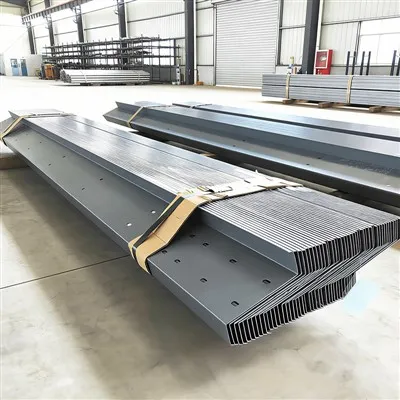
If you’re thinking about using PU Sealed Rockwool Sandwich Panels for your upcoming construction project, I’d love to have a chat with you. We can discuss your requirements in detail and figure out the best panel density for you. Contact me, and let’s start a great partnership!
Powder Coated Anti Corrosive Purlins References:
- Industry reports on construction materials
- Manufacturer’s technical specifications for rockwool and PU products
Handan Donghong Fiberglass & Color Steel Manufacturing Co., Ltd.
Handan Donghong Fiberglass & Color Steel Manufacturing Co., Ltd. is one of the most professional pu sealed rockwool sandwich panel manufacturers and suppliers in China, featured by quality products and good price. Please rest assured to wholesale durable pu sealed rockwool sandwich panel made in China here and get quotation from our factory. Customized orders are welcome.
Address: South side of the road, 2,000 meters west of the intersection of Nanhuan Road and Airport Road, Hanshan District, Handan City.
E-mail: leo@dhpcfrp.com
WebSite: https://www.dhfrpsheet.com/
