If you’ve been working with antimicrobial solutions or sourcing ingredients for disinfectants, you’ve probably come across polyhexamethylene guanidine — more commonly shortened to PHMG. As someone who’s been a PHMG supplier for the better part of a decade, I get all kinds of questions about this chemical: how it works, where it’s used, and most often, whether it’s actually approved for use in the United States. The short answer is yes, but the longer story is a lot more nuanced, and there’s a lot of misinformation floating around out there about its regulatory status. Let me break this down based on what I’ve learned from working with it day in and day out, and how that translates to the U.S. market. Polyhexamethylene Guanidine
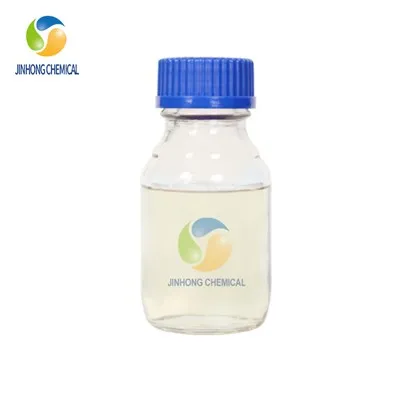
First off, let’s get clear on what PHMG is. It’s a polymeric guanidine compound, right? Unlike some other antimicrobials, it works by disrupting the cell membranes of bacteria, fungi, and even some viruses, which makes it effective across a wide range of applications. It’s also non-corrosive, relatively low in toxicity compared to some older disinfectants, and has a long residual effect once applied — that’s why it’s popular for things like industrial water treatment, surface disinfectants, and even some textile treatments. But when it comes to being approved for use in the U.S., it’s not a single “yes” that applies to every use case. That’s where a lot of confusion comes in.
The main body that regulates antimicrobials in the U.S. is the Environmental Protection Agency, or EPA. The EPA regulates disinfectants and similar products under the Federal Insecticide, Fungicide, and Rodenticide Act, better known as FIFRA. For a chemical to be legally sold or distributed in the U.S. as an antimicrobial, it has to be registered with the EPA. PHMG is indeed an EPA-registered antimicrobial agent. I can say that with confidence because our facility sources only EPA-validated PHMG batches, and every shipment we send out comes with documentation proving that the active ingredient is on the EPA’s list of approved antimicrobial substances. That’s not a loophole — the EPA has gone through the rigorous process of testing its efficacy, its safety for human health and the environment, and its intended use cases before approving it.
But here’s the catch: EPA registration isn’t one-size-fits-all for PHMG. The EPA has approved PHMG for specific use patterns, and that means it can only be used for the applications that are listed on the product label registered with the agency. For example, PHMG is approved for use as a hard surface disinfectant in healthcare settings, food processing facilities, and residential environments. It’s also approved for industrial applications like cooling water system treatment, where it helps control bacterial and algal growth that can reduce efficiency or cause equipment damage. There are also specific uses for PHMG in water treatment for recreational facilities, like swimming pools and hot tubs, though those have their own additional oversight from state health departments in many cases.
I’ve seen a lot of suppliers online claim their PHMG is “FDA-approved,” and that’s a point of confusion I want to clear up. The FDA’s role is different from the EPA’s when it comes to antimicrobials. The FDA regulates products that come into direct contact with food, drugs, or cosmetics. PHMG has received FDA clearance for some indirect food contact uses, like in food processing equipment that doesn’t hold food directly, but that’s separate from its EPA antimicrobial registration. It’s not approved as a food additive itself, which is important to note if you’re working in the food and beverage industry — you have to make sure you’re using the PHMG product that’s cleared for that specific contact. I always make sure to walk new clients through that distinction because mixing up the two can lead to compliance issues, and as a supplier, my job isn’t just to sell PHMG, it’s to make sure my customers are using it correctly and legally.
Another area where PHMG’s regulatory status has been in question lately is in consumer products. A few years back, there were some reports in other countries about certain types of PHMG-based products causing respiratory issues when used in large amounts, specifically in humidifiers. That led to some temporary restrictions in places like South Korea and parts of Europe, which made some U.S. clients nervous. But the EPA has thoroughly reviewed the data on PHMG’s safety when used as directed, and there’s no evidence to support similar concerns for products registered for use in the U.S. The key here is formulation and use concentration. The PHMG products we supply have been formulated to meet EPA limits for residual exposure, and as long as they’re used according to the label instructions — which specify things like application rate, contact time, and ventilation when needed — they’re safe for both professional and consumer use. I always advise clients to double-check the EPA establishment number on any PHMG product they buy, because unregistered or misformulated PHMG could be illegal and potentially unsafe.
Working with PHMG as a supplier has also taught me that regulatory requirements can vary by state in the U.S., even if the EPA has given federal approval. For example, some states have stricter limits on the amount of certain residual chemicals that can be released into municipal wastewater systems, which affects industrial users of PHMG. We work closely with our clients to make sure their PHMG usage aligns with both federal EPA rules and any state-specific requirements, because that’s part of being a reliable supplier. It’s not just about sending the right chemical — it’s about providing the documentation and guidance to keep our customers compliant.
Let’s also talk about common misconceptions that I hear all the time. Some people think because PHMG is a “newer” antimicrobial, it hasn’t been tested enough. That’s just not true. The EPA has required extensive testing for acute and chronic toxicity, skin and eye irritation, environmental impact (like how it affects aquatic life and soil microorganisms), and efficacy against target pathogens. The PHMG we supply has been tested against bacteria like E. coli and Staphylococcus aureus, fungi like Candida albicans, and even enveloped viruses like influenza, so we know it works as advertised. Other antimicrobials have a longer track record, but PHMG has been through the same strict process as any other EPA-registered product.
Another misconception is that PHMG is banned in the U.S. I’ve had clients call me asking if they should switch to a different antimicrobial because they heard it was pulled from the market, but that’s not the case. The only time PHMG was restricted was when some unregistered products were found being sold for uses not approved by the EPA. Those were bad actors cutting corners, not the legitimate, EPA-registered PHMG that we supply. That’s why it’s so important for buyers to verify that their supplier’s PHMG is actually registered, and not just labeled as such. We keep all our EPA registration documents on file and provide them to any client who asks, no questions — that’s non-negotiable for us.
For those of you who are looking to use PHMG in your operations, whether you’re running a healthcare facility, a manufacturing plant, or a hospitality business, the approval process doesn’t end with buying the right chemical. You also need to make sure that the finished product you’re making with PHMG is properly registered if it’s being sold to end users. For example, if you’re formulating a disinfectant spray using our PHMG, you’ll need to complete your own EPA product registration for that spray, listing our PHMG as the active ingredient. We’ve worked with many clients to walk them through that process, or at least point them to the right resources at the EPA, because we want our customers to succeed and stay compliant.
I’ve been in this industry long enough to see how antimicrobial regulations have evolved, and PHMG’s status in the U.S. has only gotten clearer as the EPA has clarified its use cases. What started as a niche industrial chemical has grown into a trusted ingredient for a wide range of applications, all because it’s proven to be effective, safe when used correctly, and properly regulated. As a supplier, I’ve seen the demand for PHMG grow steadily over the past few years, as more businesses look for alternatives to older, harsher disinfectants that can damage surfaces or pose higher health risks.
If you’re still unsure about whether PHMG is approved for your specific use in the U.S., I’d encourage you to reach out. I know how confusing regulatory jargon can be, and I’m happy to walk you through the EPA’s approval status, clarify any distinctions between different use cases, or even provide the documentation you need to stay compliant. Whether you’re a small business owner testing a new disinfectant formula or a large industrial manager looking to update your water treatment processes, we can work together to make sure you’re using the right product the right way. There’s a lot of misinformation out there about PHMG, but at the end of the day, the facts are simple: EPA-registered PHMG is legal, safe, and effective for a variety of uses in the U.S., as long as you stick to the approved labels and use cases. So don’t let the myths hold you back — if you have questions, don’t hesitate to connect with us to discuss your specific needs and how PHMG can work for you.
Guanidine Biocides References
U.S. Environmental Protection Agency. (n.d.). Polyhexamethylene guanidine (PHMG) antimicrobial product registration. Retrieved from EPA’s antimicrobial database
U.S. Food and Drug Administration. (n.d.). Indirect food contact substances: Polymeric guanidine compounds. Retrieved from FDA’s food contact notification database
Agency for Toxic Substances and Disease Registry. (2021). Toxicological profile for guanidines, including polyhexamethylene guanidine. U.S. Department of Health and Human Services
Hebei Jinhong Chemical Co., Ltd.
Hebei Jinhong Chemical Co., Ltd. is one of the most professional polyhexamethylene guanidine manufacturers and suppliers in China. With abundant experience, we warmly welcome you to wholesale high quality polyhexamethylene guanidine made in China here and get pricelist from our factory. For price consultation, contact us.
Address: North of Fazhan Road, East of Qingyuan Road, Nanbao Development Zone, Tangshan City, Hebei Province
E-mail: kevin@hbjhchemical.com
WebSite: https://www.hbjhchemical.com/
