Let me start by saying this: if you’ve ever grabbed a well-worn sweatshirt fleece on a cold morning, or run a hand over the soft, fuzzy lining of a new one, you know that fabric has a way of feeling like both a small luxury and a reliable staple. For nearly a decade, I’ve sourced and supplied sweatshirt fleeces to small apparel brands, boutique retailers, and even some indie outdoor gear companies, and in that time, one question has come up more than any other: “Are sweatshirt fleeces actually environmentally friendly?” It’s a fair question—especially now, when every brand and supplier is scrambling to prove their materials are more than just comfortable. I’m not here to give you a black-and-white answer; I’m here to walk through the science, the gaps, the changes my team and I have made as a supplier, and the truth that sweatshirt fleeces aren’t inherently eco-friendly—but they can be, if we get honest about the details. Sweatshirt Fleece
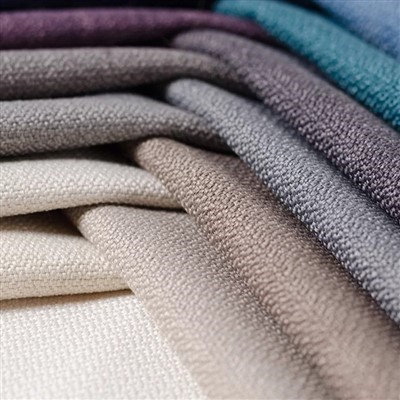
First, let’s ground this in what sweatshirt fleece actually is. Most people picture that soft, looped fabric inside a classic hoodie, but the reality is that fleece is a broad category: it can be made from virgin plastic (usually polyester), recycled plastic, cotton, a blend of both, or even more innovative materials like hemp or recycled wool. For the longest time, the sweatshirt fleeces I worked with were 100% virgin polyester, and that’s the first place we need to start when talking about environmental impact. Polyester is a plastic, so its entire lifecycle leaves a mark: it’s made from fossil fuels, takes centuries to break down in a landfill, and sheds microplastics every time you wash it. A 2019 study from the Oceanic Society found that a single load of laundry with 10 polyester fleece items releases over 500,000 microplastic fibers, many of which end up in oceans, waterways, and even the food chain. That’s not a small problem. I’ll be the first to admit that, back when I was sourcing mostly virgin polyester fleece, we didn’t think enough about that shedding. We cared about cost, durability, and the way the fabric felt on skin—but not about what happened to it after it left our warehouse, after it was sold, after it was worn out.
But here’s the part most people don’t talk about: not all fleece is made the same, and for suppliers like me, that distinction is everything. Around five years ago, we started shifting our inventory to include recycled polyester (rPET) fleece, made from post-consumer plastic bottles—think the empty water bottles you toss in a recycling bin that would otherwise end up in a landfill or ocean. When we made that switch, we didn’t just take the supplier’s word for it; we did our own testing, because as a supplier, our reputation depends on delivering what we say we’re delivering. The Environmental Protection Agency (EPA) estimates that making one pound of rPET uses around 50% less energy and generates 20% fewer greenhouse gas emissions than making virgin polyester. That’s a tangible win. But even rPET isn’t perfect: it still sheds microplastics, and most recycling processes can’t turn a single plastic bottle into fleece more than two or three times before the fibers become too short and weak to use. So even recycled fleece has a lifecycle limit. That’s why, three years ago, we added a line of cotton-blend fleece to our catalog—70% organic cotton, 30% rPET. Organic cotton uses 91% less water than conventional cotton, per the Textile Exchange, and no toxic pesticides, which is better for farm workers and local ecosystems. The rPET cut down on microplastic shedding compared to 100% virgin polyester, and the cotton gives the fleece a softer, more breathable feel that a lot of our clients’ customers rave about.
But let’s get real: even the most eco-friendly fleece isn’t going to fix the fashion industry’s waste problem on its own. One of the biggest environmental flaws of sweatshirt fleece, regardless of material, is its disposability. Fast fashion brands have been churning out $10 fleece hoodies for years, designed to be worn a handful of times before pilling, stretching, or falling apart, then tossed in a landfill. The fashion industry is responsible for about 10% of global carbon emissions, and textile waste makes up 92 million tons of that each year, per the United Nations Environment Programme. I see this up close: we’ve had clients come to us asking for “cheap” fleece because their customers won’t pay more, and that’s where the environmental harm gets baked in. A $10 fleece has to be made with cheap, low-quality fibers that will shed more, break faster, and end up in a landfill sooner. But over the last few years, we’ve also seen a shift in the other direction—smaller brands that want quality, durable fleece that lasts, because they care about their environmental footprint. For those clients, we work with manufacturers that use longer, stronger fibers, and we even offer a take-back program (through a third-party partner) for any worn-out fleece that customers want to recycle instead of throw away. It’s not a perfect system, but it’s a start.
Another point that’s rarely discussed is the water and chemical use in fleece production. Conventional polyester fleece is often dyed with synthetic chemicals that are toxic if they leak into water sources. A 2022 study from the University of Manchester found that 20% of the world’s industrial water pollution comes from textile dyeing and treatment, and polyester dyeing uses large amounts of energy and water. That’s why all the fleece we supply now is dyed with water-based, OEKO-TEX certified dyes, which don’t release harmful chemicals. The organic cotton in our blends is grown without any synthetic fertilizers or pesticides, so that part of the supply chain is far gentler on farmland and communities in cotton-growing regions, like parts of India and Turkey. We also work with mills that have invested in closed-loop water systems, which recycle 95% of the water used in production, so very little is wasted or released into local waterways. It’s an extra cost, but for us as a supplier, it’s non-negotiable now—our clients expect it, and our planet deserves it.
But let’s not pretend there isn’t a trade-off here. Even the most responsibly made fleece has a bigger carbon footprint than, say, a well-made cotton t-shirt, right? Wait, actually, that depends on the lifecycle. A 2021 life cycle assessment (LCA) from the Sustainable Apparel Coalition compared fleece to cotton t-shirts, and found that when you account for how often a garment is washed and worn, a durable, responsibly made fleece has a lower overall environmental impact than a disposable cotton t-shirt. Because if a fleece lasts 5 years, that’s hundreds of wears, spread across much less frequent washing than a smaller, lighter garment. That’s a key point I think a lot of people miss: environmental impact isn’t just about the material—it’s about how long you keep it. A well-cared-for fleece is far better than a fast-fashion item you toss after a few months. That’s why we push all our clients to market their fleece as durable, timeless pieces, not seasonal trends. It’s a different approach than fast fashion, but we’ve seen it work: brands that sell quality, long-lasting fleece build loyal customers who don’t throw things away, and that’s better for everyone.
So where does that leave us? Are sweatshirt fleeces environmentally friendly? The short answer is: they can be, but only if we, as suppliers, manufacturers, brands, and consumers, reject the fast-fashion model and prioritize transparency, durability, and responsible materials. I’ve seen too many suppliers jump on the “eco” bandwagon without actually making meaningful changes—marking a virgin polyester fleece as “eco-friendly” just because it’s gray, or slapping a recycling logo on a product that’s barely recycled. That’s greenwashing, and it hurts everyone who cares about real change. For our part, as a fleece supplier, we’re transparent about everything: we publish the mills we work with, the materials we use, the LCA reports we get on each batch of fleece, and the environmental impact data for every product line. Last year, we rolled out a line of 100% recycled wool blend fleece, made from surplus wool that would have been discarded by wool farms, and paired with rPET, so it’s warm, soft, and uses waste as its primary material. It’s still not perfect—wool production has its own environmental impacts, like land use, but it’s a step forward.
I also want to address the microplastic issue, because I know it’s a big one. No synthetic fleece is going to stop shedding fibers entirely, but we’ve partnered with a textile tech company to add a special coating to our synthetic fleece lines that reduces shedding by up to 40%, per their independent testing. We also tell all our clients to advise their customers to wash fleece in cold water, use a laundry bag designed to catch microplastics, and air dry instead of using a dryer—both steps that cut down on shedding and wear. It’s not a fix-all, but it’s something we can do as a supplier to reduce harm, instead of just throwing our hands up and saying “it’s just plastic.”
At the end of the day, the fashion industry’s environmental problem isn’t that some products are made with fleece—it’s that for too long, we’ve prioritized low cost and fast turnover over sustainability. I started in this business because I love fabrics that feel good, that people can rely on, and that don’t leave a mess behind. Sweatshirt fleece isn’t going to solve climate change, but it can be part of the solution—if we make it right. For every brand that comes to us asking for the cheapest virgin fleece, we talk through the trade-offs, show them the data on recycled and organic options, and let them make an informed choice. For every customer that reaches out to our clients asking if a fleece is eco-friendly, we make sure that answer is honest, not misleading.
If you’re a brand, retailer, or business looking for a sweatshirt fleece supplier that prioritizes transparency, durability, and real environmental progress over greenwashing, we’d love to talk through your needs, share our product lines, and walk through how we can work together to make products that are good for people and the planet.
French Terry References
Oceanic Society. (2019). Microplastic Fibers in Laundry: Quantification of Release from Synthetic Textiles.
Textile Exchange. (2020). Organic Cotton Market Report.
United Nations Environment Programme. (2022). Global Fashion Agenda: New Textiles Economy Report.
Environmental Protection Agency. (2021). Recycled Plastics: Environmental Benefits of rPET.
University of Manchester. (2022). Water Pollution from Textile Dyeing: A Global Analysis.
Sustainable Apparel Coalition. (2021). Life Cycle Assessment Comparison of Apparel Materials.
Shaoxing Xinlian Dyeing & Weaving Industrial Teade Co., Ltd.
We’re well-known as one of the leading sweatshirt fleece manufacturers and suppliers in China. With a professional production team, we are able to meet the needs of the majority of our customers. Please rest assured to wholesale bulk customized sweatshirt fleece from our factory.
Address: Building 3-2, Huangxian Village, Lanting Subdistrict, Keqiao District, Shaoxing City, Zhejiang Province, China
E-mail: inquiryxinlian@163.com
WebSite: https://www.xinliantextile.com/
