Hey everyone, it’s Jake from your go-to glass wool blanket supplier here, and today I’m breaking down one of the most common questions I get from contractors, builders, and DIY folks alike: Does glass wool blanket need to be covered after installation? I’ve been in this game for 8 years now, answering this exact question at least once a week, and honestly, I’ve seen way too many people skip this step thinking “it’s just insulation, right?”. Let’s cut through the noise here—this isn’t a random industry myth, it’s a practical, science-backed call that makes a huge difference in how well your insulation works, how long it lasts, and even if you’re staying compliant with local building codes. No fancy jargon, just real talk from someone who actually deals with glass wool blankets coming off the production line and going into homes every single day. Glass Wool Blanket
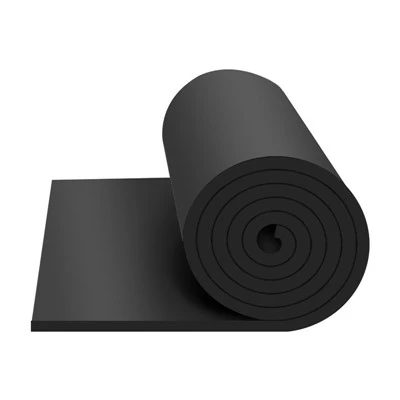
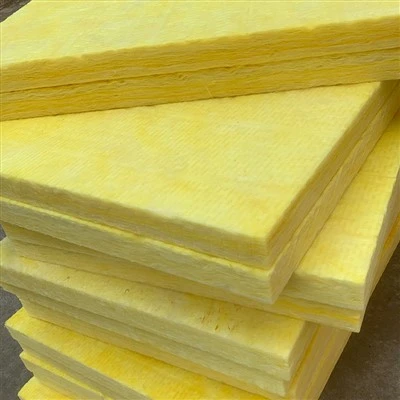
First, let’s start with what glass wool blanket even is, in case you’re new here (though if you’re reading this, you’re probably already familiar). It’s made from molten glass spun into tiny, fine fibers, which trap air between them—and that trapped air is what makes it such a great insulator. It’s flexible, rolls up easy, fits perfectly between studs, joists, and rafters, so it’s way less of a hassle to install than rigid foam or loose-fill insulation. But here’s the thing about those tiny glass fibers: they’re not as tough as they look on the roll. That fluff you see in the unopened package is delicate, and if it’s exposed after you cut it and tuck it into place, bad stuff happens. Let’s break down exactly why covering it is almost always necessary, and when maybe you can skip it (though I’ll tell you straight, there are barely any cases where skipping makes sense).
First up: the big one. Moisture. Glass wool is hydrophobic—wait, hold on, let me translate that. It doesn’t absorb water, right? But that doesn’t mean it’s immune to moisture damage. Those tiny fiber gaps? If water gets in there, even a small amount from humidity, a leaky roof, or condensation from a pipe, it can get trapped. And when moisture is in the gaps, the air can’t get trapped anymore. Air is the best insulator—water is way denser, so if the gaps are filled with moisture, your R-value (that’s the measure of insulation effectiveness, for anyone who doesn’t remember) drops like a rock. Let me give you a real example: last year, I had a contractor client come to me panicking because they skipped covering the glass wool in an attic renovation. A small roof leak that went unnoticed for two weeks dripped a little water on the insulation, and by the time they found it, the R-value had dropped by 30%. That meant their heating and cooling bills went up by almost 25% that winter. Covering the blanket with a vapor retarder (or just a plastic sheeting, depending on the space) would’ve stopped that moisture from getting in in the first place. And it’s not just leaks—regular household humidity, especially in bathrooms, basements, or kitchens, can cause condensation on the insulation over time, especially if the space isn’t properly ventilated.
Next up: fiber loss. Those tiny glass fibers? If they’re exposed, air movement will pull them loose. Think about when you unroll a new glass wool blanket—there’s that fine dust on the surface, right? That’s loose fibers. If you leave the insulation exposed in a wall or attic, drafts will carry those fibers through your home. And I’m not talking about a little dust bunnies—those fibers are so small, they can get into your HVAC system, your air ducts, your furniture, even your lungs if you breathe them in. I’ve had homeowners message me saying they “don’t know why their house feels dusty all the time” only to find out the installer skipped covering the insulation. It’s not just messy, it’s actually a health concern for people with asthma, allergies, or respiratory issues. Also, those loose fibers can make their way onto electrical wires, which is a fire risk—wait, is glass wool flammable? No, it’s non-combustible, but if fibers build up on a hot wire (like a loose outlet or a light fixture), they can act as an insulator, making the wire overheat. That’s a safety hazard no one wants to mess with.
Then there’s UV exposure. Glass wool is pretty tough, but if it’s left exposed outdoors or in an unventilated, unprotected space where sunlight hits it, the UV rays from the sun break down the binder that holds the fibers together. Over time, the insulation becomes crumbly, falls apart, and loses all its effectiveness. I once sold a big batch of glass wool blankets to a guy who was insulating a detached garage, and he decided not to cover them because “it’s just a garage, no one will see it”. Six months later, he was back, wanting to replace it all because the insulation was turning to dust. The sun beating down on the unprotected roof deck had ruined the whole roll. That’s a $1,500 mistake he didn’t need to make, all because he skipped a $50 roll of covering material.
Wait, but let’s not be a total stick in the mud—are there any exceptions? I get that sometimes in tight spaces, or in wall cavities that are getting covered with drywall right away, maybe you can skip the extra covering? Wait, no, hold on—even if you’re immediately putting drywall over the insulation, did you know that drywall isn’t a vapor retarder in all cases? Wait, no, let’s clarify. If we’re talking about standard interior wall insulation that’s going to be covered with drywall as part of the normal renovation, do you still need to cover the glass wool? Most building codes actually require a vapor barrier or air retarder, but if you’re using unfaced glass wool (that’s glass wool without the thin foil or paper facing), some people might think, “oh, I’ll just rely on drywall”. But wait—drywall can let small amounts of moisture through, right? And if there’s a gap or a tear in the drywall, that moisture can get into the insulation. Also, if you’re working in an attic space that’s properly vented, and you’re using faced glass wool, sometimes people skip extra covering? But even then, I’d advise against it. I’ve seen too many cases where even vented attics get condensation, especially in cold climates. The facing on glass wool is actually designed to act as an air barrier, which prevents drafts from moving through the insulation—drafts that would otherwise push air (and moisture) through the fibers.
Wait, another exception: are you using glass wool in a crawl space that’s going to be encapsulated? If you’re encapsulating the crawl space with a vapor barrier, then you still need to make sure the insulation is covered, either with the vapor barrier or a separate layer. Even encapsulation doesn’t do all the work if the insulation is exposed. What about in commercial settings? Like a warehouse? Same rules apply. Exposed insulation in a warehouse is going to get exposed to dust, debris, maybe occasional spills, all of which can reduce its R-value over time. Covering it keeps it clean and effective.
Let’s also talk about building code stuff, because this is a big one for contractors and builders. A lot of people don’t realize that in most parts of North America (and really, most developed countries), building codes require insulation to be protected from moisture and physical damage. Glass wool blanket, when exposed, doesn’t meet that requirement. So if you skip covering it, you might fail an inspection, which means you have to rip it all out and do it again, wasting time and money. I’ve had a few contractor clients come to me after a failed inspection, needing extra insulation and covering material to fix the mistake. That’s avoidable, right?
Wait, let’s clear up a common misconception: some people think that because glass wool is hydrophobic, moisture can’t hurt it. Let’s get that straight. It doesn’t absorb moisture, but it can hold it in the tiny gaps between fibers. Once those gaps are filled with water, the air that’s needed for insulation is gone, and R-value drops. Even if the moisture eventually dries, if it stays in there for a while, the binder can break down, making the insulation less durable. So it’s not just about immediate performance, it’s about long-term lifespan too.
Now, what should you cover it with? The good news is, you don’t need anything fancy. If it’s interior walls, and you’re using unfaced glass wool, a simple polyethylene sheeting (4-6 mil thick) works fine. If it’s attics or crawl spaces, you can use either the factory-faced glass wool (that has a built-in layer of foil or paper) or a separate vapor retarder. For exterior applications, like sheathing insulation, you might want a tougher covering, like a spray foam or a rigid foam board, to protect it from UV and physical damage. The key is that whatever you use creates a barrier against moisture, drafts, and UV rays.
Let me wrap this up with a real takeaway. I’m not here to sell you extra material you don’t need (wait, okay, I am a supplier, but I’m also here to help you do the job right the first time). Skipping covering your glass wool blanket is almost always a short-term save that leads to long-term headaches—higher energy bills, safety hazards, failed inspections, even having to replace insulation way sooner than you should. The cost of the covering material is like 5-10% of the total insulation cost, so it’s a tiny investment for way better performance and peace of mind.
If you’re working on a project and you’re not sure what type of covering you need, or you’re trying to figure out how much glass wool blanket and covering material you need, hit me up. I’ve got years of experience working with contractors, builders, and DIYers, and I can help you pick the right products for your specific project, no pressure. Whether you’re doing a small bathroom renovation or a whole commercial build, I’ve got you covered. Don’t waste time and money on a half-done insulation job—do it right the first time.
If you have more questions about glass wool blanket, covering requirements, or picking the right insulation for your project, feel free to reach out for a consultation. I’m always here to help.
Fireproof Board Series References
- ASTM International. Standard Practice for Installing Fibrous Glass Insulation. ASTM C726, 2021.
- U.S. Department of Energy. Insulation 101: Choosing and Installing Insulation. Energy.gov, 2022.
- National Fire Protection Association. NFPA 70: National Electrical Code, 2023.
- International Residential Code. Insulation Requirements for Residential Buildings, 2021 Edition.
- Glass Alliance. Properties and Applications of Glass Wool Insulation, 2020.
Langfang Aolesi Thermal Insulation Materials Co., Ltd.
As one of the most professional glass wool blanket manufacturers and suppliers in China, we also support customized service. Please feel free to buy bulk high quality glass wool blanket made in China here from our factory. For pricelist, contact us now.
Address: Dongwang Village, Dacheng County, Langfang City, Hebei Province
E-mail: Lfaolesibaowen@outlook.com
WebSite: https://www.lfaolesi.com/
