What is the shelf – life of plastic labels?
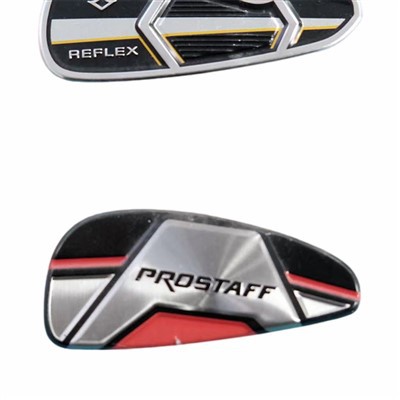
As a dedicated plastic label supplier, I often get asked about the shelf – life of plastic labels. It’s a crucial question for our customers, as understanding the longevity of these labels helps in making informed decisions about product packaging, branding, and inventory management. In this blog, I’ll delve into the factors that determine the shelf – life of plastic labels, share some practical tips to maximize it, and also touch on how our company can provide the best solutions for your plastic label needs. Plastic Label
Factors Affecting the Shelf – Life of Plastic Labels
Type of Plastic Material
The choice of plastic material is one of the most significant factors influencing the shelf – life of labels. Different plastics have distinct characteristics and chemical compositions that react differently to environmental factors.
- Polyvinyl Chloride (PVC): PVC labels are known for their flexibility and durability. They can resist water, oil, and chemicals to a certain degree. However, over time, PVC may undergo a process called plasticizer migration. Plasticizers are added to PVC to make it more flexible, but they can gradually move out of the plastic, causing the label to become brittle and lose its adhesion. In general, with proper storage and use, PVC labels can last anywhere from 1 to 3 years.
- Polyethylene Terephthalate (PET): PET is a popular choice for labels due to its high strength, transparency, and resistance to moisture and chemicals. It has excellent dimensional stability, which means it won’t stretch or shrink easily. PET labels can have a relatively long shelf – life, often lasting 3 to 5 years or more, depending on the specific application and storage conditions.
- Polypropylene (PP): PP labels are lightweight, resistant to moisture, and have good chemical resistance. They are also cost – effective. However, they are more prone to UV degradation compared to PET. Under normal indoor conditions, PP labels can last around 2 to 4 years, but if exposed to direct sunlight for extended periods, their lifespan can be significantly reduced.
Environmental Conditions
The environment in which the plastic labels are stored and used plays a crucial role in determining their shelf – life.
- Temperature: Extreme temperatures can have a negative impact on plastic labels. High temperatures can cause the plastic to soften, warp, or lose its adhesion. For example, if PVC labels are stored in a hot warehouse, the plasticizer migration process can be accelerated. On the other hand, low temperatures can make the labels brittle and more likely to crack. Ideal storage temperatures for most plastic labels range from 10°C to 30°C (50°F to 86°F).
- Humidity: High humidity levels can lead to moisture absorption by the plastic labels. This can cause the labels to swell, lose their print quality, or reduce their adhesion. In areas with high humidity, it’s important to store labels in a dry environment or use moisture – resistant packaging. For example, if a warehouse has a relative humidity of over 70%, it’s advisable to use desiccants or dehumidifiers to keep the labels in good condition.
- UV Exposure: Ultraviolet (UV) rays from the sun can break down the chemical bonds in plastic labels, causing discoloration, fading, and embrittlement. This is especially true for labels made from materials like polypropylene. If labels are used outdoors or in areas with significant sunlight exposure, it’s essential to use UV – resistant coatings or additives to prolong their lifespan.
Printing and Adhesive Quality
The quality of the printing and adhesive used on the plastic labels also affects their shelf – life.
- Printing: High – quality printing methods, such as digital printing or offset printing, can ensure better ink adhesion and colorfastness. Low – quality printing may result in ink fading or smudging over time, reducing the visual appeal and readability of the labels. Additionally, some inks may be more resistant to environmental factors than others. For example, UV – curable inks are more resistant to fading than solvent – based inks when exposed to sunlight.
- Adhesive: The type of adhesive used on the label determines how well it will stick to the surface and how long it will remain attached. There are different types of adhesives available, such as permanent adhesives, removable adhesives, and repositionable adhesives. Permanent adhesives are designed to provide long – term adhesion, while removable adhesives can be peeled off without leaving a residue. The quality of the adhesive can degrade over time, especially if exposed to extreme temperatures or chemicals. It’s important to choose the right adhesive for the specific application and to ensure that it is properly stored to maintain its performance.
Maximizing the Shelf – Life of Plastic Labels
Proper Storage
Proper storage is essential for maximizing the shelf – life of plastic labels. Here are some storage tips:
- Keep labels in a cool, dry place: As mentioned earlier, storing labels at a moderate temperature and low humidity can prevent many problems. A climate – controlled warehouse is ideal for long – term storage.
- Protect from direct sunlight: Use opaque storage containers or store labels in a shaded area to minimize UV exposure.
- Stack labels carefully: Avoid stacking labels too tightly, as this can cause damage to the edges or surfaces. Use appropriate shelving or storage bins to keep the labels organized.
Quality Control
Implementing quality control measures during the manufacturing and printing process can ensure that the labels meet the highest standards. This includes:
- Testing materials: Test the plastic materials, inks, and adhesives before production to ensure they meet the required specifications.
- Inspecting finished labels: Conduct thorough inspections of the finished labels to check for any defects, such as printing errors, adhesive problems, or damage to the plastic.
Application Considerations
When applying the plastic labels, it’s important to follow the manufacturer’s instructions to ensure proper adhesion and longevity. This includes:
- Cleaning the surface: Ensure that the surface where the label will be applied is clean, dry, and free of dust, grease, or other contaminants.
- Applying the label correctly: Use the right pressure and technique to apply the label smoothly and evenly, without creating any air bubbles or wrinkles.
Our Role as a Plastic Label Supplier
As a plastic label supplier, we are committed to providing our customers with high – quality labels that have a long shelf – life. We understand the importance of choosing the right materials, printing methods, and adhesives to meet the specific needs of each customer.
- Material Selection: We offer a wide range of plastic materials, including PVC, PET, and PP, to suit different applications and budgets. Our experts can help you choose the most appropriate material based on factors such as the environment, durability requirements, and aesthetic preferences.
- Advanced Printing Technology: We use state – of – the – art printing technology to ensure high – quality and long – lasting prints. Our UV – curable inks and advanced printing processes can resist fading, smudging, and wear, even under harsh conditions.
- Customized Solutions: We know that every customer has unique requirements. That’s why we offer customized label solutions, including different shapes, sizes, colors, and finishes. Whether you need simple product labels or complex promotional labels, we can create the perfect solution for you.
Contact Us for Your Plastic Label Needs
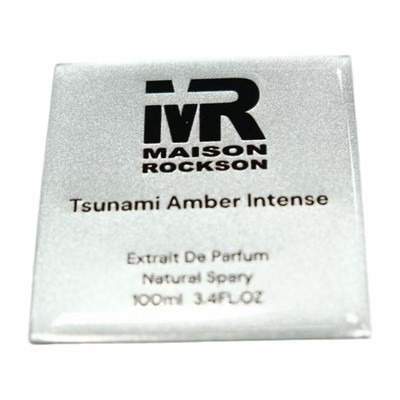
If you’re in the market for high – quality plastic labels with a long shelf – life, we’d love to hear from you. Our team of experts is ready to assist you in finding the best label solution for your products. We can provide samples, answer your questions, and offer competitive pricing.
Zinc Label Whether you’re a small business looking to enhance your product packaging or a large corporation with complex labeling requirements, we have the expertise and resources to meet your needs. Contact us today to start a conversation about your plastic label requirements and take the first step towards improving your product branding and packaging.
References
- Cooper, P. (2018). Introduction to Polymer Science and Technology. CRC Press.
- Wypych, G. (2017). Handbook of Material Weathering. ChemTec Publishing.
- Salema, A. (2019). Plastic Materials: Properties and Applications. McGraw – Hill Education.
Guizhou Mingguan Sign Nameplate Products Co., Ltd.
We’re well-known as one of the leading plastic label manufacturers and suppliers in China. With abundant experience, we warmly welcome you to wholesale bulk customized plastic label at low price from our factory. For quotation and free sample, contact us now.
Address: Xinpu New District, Zunyi City, Guizhou Province of China
E-mail: zhangyixuanmglabel@126.com
WebSite: https://www.mingguan-label.com/
