Yo! I’m a supplier of Mini Crawler Excavators, and I often get asked about what stability means in these little machines. You know, mini crawler excavators are becoming super popular these days – they’re so handy for all sorts of small – scale construction, landscaping, and urban projects where space is tight. But when it comes to getting the job done right, stability is a big deal. So, let’s dig into what the stability of a mini crawler excavator really is. Mini Crawler Excavators
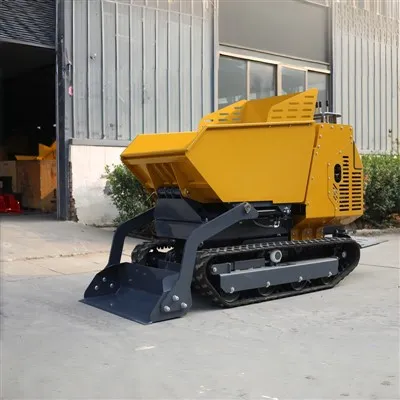
First off, stability is all about how well the excavator can stay balanced and upright during its operations. You don’t want it tipping over while it’s digging, lifting, or moving around, right? That could be a disaster, causing damage to the machine, the worksite, and even posing risks to the operators.
There are a few key factors that play into the stability of a mini crawler excavator.
Track Design and Width
The tracks are like the feet of the excavator. A well – designed track system is crucial. Mini crawlers usually have wide tracks, and the wider the tracks, the more stable the machine is. It’s like when you stand with your feet apart; you’re less likely to fall. The tracks distribute the weight of the excavator evenly across the ground. This helps prevent the machine from sinking too deep into soft soil and keeps it firmly grounded. Manufacturers often use different track designs to optimize stability. Some tracks have a more aggressive tread pattern, which provides better grip on uneven or slippery surfaces. This is really important when working on slopes or in wet conditions.
Center of Gravity
The center of gravity is another major factor. It’s basically the point where the weight of the whole machine is concentrated. In a mini crawler excavator, the design is engineered to keep the center of gravity as low as possible. The engine, fuel tank, and other heavy components are placed low in the chassis. This way, the machine is less likely to tip over, especially when it’s lifting heavy loads or working on an incline. When the center of gravity is high, the excavator becomes top – heavy and more prone to instability. For example, if you’re using a bucket to lift a large amount of soil or debris high up, the center of gravity can shift. A good design takes this into account and ensures that the machine remains stable even under these conditions.
Counterweight
Counterweights are like the secret weapon for stability. They’re usually located at the rear of the excavator. The purpose of a counterweight is to balance out the weight of the front – end attachments, like the bucket or a hydraulic hammer. When the excavator is digging or lifting, the front end is under a lot of stress. The counterweight acts as a counterforce, preventing the machine from tipping forward. The size and weight of the counterweight are carefully calculated based on the size and capabilities of the excavator. A mini crawler with a bigger bucket or more powerful attachments will need a heavier counterweight to maintain stability.
Stability in Different Work Conditions
Now, let’s talk about how stability plays out in different work scenarios.
On Flat Ground
On flat ground, a well – designed mini crawler excavator is generally pretty stable. But even here, there are things to keep in mind. If the ground is soft or has a lot of loose material, the tracks might sink a bit. That can affect the machine’s balance, especially if it’s making sharp turns or sudden movements. So, operators need to be careful and adjust their driving style accordingly. Also, when lifting heavy loads on flat ground, they need to make sure the load is centered properly to avoid any side – to – side instability.
On Slopes
Working on slopes is where stability really becomes a challenge. The force of gravity can pull the excavator down the slope, and if the machine isn’t stable, it could easily roll over. That’s why mini crawlers are designed with a certain maximum slope angle in mind. When operating on a slope, the operator has to position the machine correctly. Usually, it’s best to work with the tracks perpendicular to the slope, so the weight is distributed evenly. And of course, the stability features like wide tracks, low center of gravity, and counterweights become even more important on slopes.
Importance of Stability for Operators and Projects
Stability isn’t just about keeping the machine from tipping over. It also has a big impact on the safety and efficiency of the operators and the overall project.
For operators, a stable excavator means less stress and more confidence. They can focus on the task at hand without constantly worrying about the machine’s balance. This leads to better – quality work and fewer accidents. When an operator feels safe, they can operate the excavator at its optimal performance level.
From a project perspective, stability is essential for meeting deadlines and staying within budget. An unstable machine can cause delays. If the excavator tips over or gets stuck because of poor stability, it takes time to get it back up and running. And if there’s damage to the machine, that means costly repairs. On the other hand, a stable mini crawler can work smoothly, allowing the project to progress as planned.
How We Ensure Stability in Our Mini Crawler Excavators
As a supplier, we take stability very seriously. We work closely with manufacturers to make sure our mini crawlers meet the highest standards.
We start by choosing the right materials. High – quality steel is used for the chassis and other structural components. This ensures that the machine is strong and durable, which is essential for maintaining stability under heavy loads.
The design process is also crucial. Our manufacturers use advanced engineering techniques to calculate the center of gravity and optimize the track design. They test the machines in different conditions to ensure that they can handle real – world scenarios. And of course, we make sure to include the right counterweights for each model.
We also provide training and support to our customers. We want them to understand how to operate the excavators safely and make the most of their stability features. We offer manuals and on – site training to help operators get the hang of it.
Conclusion
So, there you have it – the stability of a mini crawler excavator is a combination of track design, center of gravity, counterweights, and how well it can handle different work conditions. It’s a critical factor that affects the safety, efficiency, and success of any project using these machines.
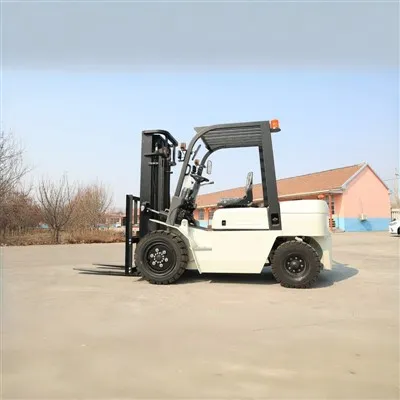
Diesel Forklift If you’re in the market for a mini crawler excavator and want a machine that’s stable and reliable, we’re here to help. Whether you’re a contractor, a landscaper, or just someone with a small – scale construction project, we’ve got a wide range of mini crawler excavators to choose from. Get in touch with us to discuss your needs and let’s start a conversation about how we can provide the perfect mini crawler for your project.
References
- Construction Equipment Handbook: Covers general information about excavator design and stability factors.
- Industry research reports on mini crawler excavator performance.
- Manufacturer’s technical specifications and design documents.
Jining Sunsail Machinery Co., Ltd.
With abundant experience, we are one of the most professional mini crawler excavators manufacturers and suppliers in China. We warmly welcome you to buy high-grade mini crawler excavators made in China here from our factory. For price consultation, contact us.
Address: Room 410, Digital Industry Building, Rencheng District, Jining City, Shandong Province,China
E-mail: Sunsail_machinery@163.com
WebSite: https://www.sunsailmachine.com/
