When it comes to choosing the perfect blanket for a cozy night in or a restful sleep, two popular options often come to mind: flannel and fleece blankets. As a flannel blanket supplier, I’ve had the opportunity to explore the nuances of these materials and understand their unique characteristics. In this blog, I’ll delve into the differences between flannel and fleece blankets, helping you make an informed decision for your next purchase. Flannel Blanket

Material Composition
Flannel is a type of woven fabric that is typically made from cotton, wool, or a blend of the two. The fibers are brushed to create a soft, fuzzy surface that is both warm and breathable. Cotton flannel is the most common type, known for its comfort and durability. It is gentle on the skin, making it suitable for people with sensitive skin. Wool flannel, on the other hand, offers superior warmth and insulation, making it ideal for colder climates.
Fleece, on the other hand, is a synthetic fabric made from polyester. It is created through a process called "fleece knitting," which involves looping the polyester fibers to create a soft, plush texture. Fleece is known for its lightweight and insulating properties, as well as its ability to wick away moisture. It is often used in outdoor clothing and bedding because of its quick-drying nature.
Softness and Comfort
One of the key factors in choosing a blanket is its softness and comfort. Flannel blankets are renowned for their luxurious softness. The brushing process gives the fabric a velvety texture that feels great against the skin. Whether you’re snuggling up on the couch or sleeping in bed, a flannel blanket provides a warm and cozy embrace.
Fleece blankets are also incredibly soft, but their texture is different from flannel. Fleece has a smooth, plush feel that is often described as "cloud-like." It is lightweight and drapes well, making it a popular choice for those who prefer a more airy and comfortable blanket. However, some people may find that fleece can feel a bit synthetic compared to the natural feel of flannel.
Warmth and Insulation
When it comes to keeping you warm, both flannel and fleece blankets have their strengths. Flannel is a natural insulator, thanks to the air pockets trapped between the fibers. This makes it an excellent choice for colder nights. Cotton flannel provides a moderate level of warmth, while wool flannel offers even more insulation.
Fleece is also a great insulator, but it works in a different way. The synthetic fibers in fleece are designed to trap heat close to the body, keeping you warm without adding a lot of weight. Fleece blankets are often used in outdoor activities because they can provide warmth even when wet. However, in extremely cold temperatures, a flannel blanket may be more effective at keeping you warm.
Breathability
Breathability is an important factor to consider when choosing a blanket, especially if you tend to get hot while sleeping. Flannel is a breathable fabric, allowing air to circulate and preventing you from overheating. The natural fibers in flannel absorb moisture and release it into the air, keeping you dry and comfortable.
Fleece, on the other hand, is not as breathable as flannel. The synthetic fibers in fleece can trap heat and moisture, making you feel sweaty and uncomfortable. However, some fleece blankets are designed with moisture-wicking properties to help keep you dry. If you’re prone to sweating, a flannel blanket may be a better choice for you.
Durability
Durability is another important consideration when choosing a blanket. Flannel is a durable fabric that can withstand regular use and washing. Cotton flannel is especially strong and can last for many years with proper care. Wool flannel is also durable, but it may require more delicate handling to prevent shrinking and damage.
Fleece is a relatively durable fabric, but it may not last as long as flannel. The synthetic fibers in fleece can wear out over time, especially if the blanket is exposed to rough surfaces or frequent washing. However, if you take good care of your fleece blanket, it can still provide many years of use.
Cleaning and Maintenance
Cleaning and maintenance are important factors to consider when choosing a blanket. Flannel blankets are generally easy to clean. Most cotton flannel blankets can be machine washed and dried on a gentle cycle. Wool flannel blankets may require more delicate handling, such as hand washing or dry cleaning.
Fleece blankets are also easy to clean. They can be machine washed and dried on a low heat setting. However, it’s important to avoid using fabric softeners or dryer sheets, as these can damage the fibers and reduce the blanket’s ability to wick away moisture.
Aesthetic Appeal
In addition to their practical qualities, flannel and fleece blankets also have different aesthetic appeals. Flannel blankets are often available in a wide range of colors and patterns, including classic plaids and stripes. The natural fibers in flannel give the fabric a warm, rustic look that is perfect for creating a cozy atmosphere in your home.
Fleece blankets are also available in a variety of colors and patterns, but they tend to have a more modern and sleek look. The smooth, plush texture of fleece gives the blanket a clean and contemporary appearance that is suitable for a variety of decor styles.
Price
Price is often a factor when choosing a blanket. Flannel blankets are generally more expensive than fleece blankets, especially if they are made from high-quality materials such as wool. However, the durability and comfort of flannel blankets make them a worthwhile investment.
Fleece blankets are more affordable, making them a popular choice for those on a budget. They offer a great combination of warmth, comfort, and affordability, making them a practical choice for everyday use.
Conclusion
In conclusion, both flannel and fleece blankets have their own unique characteristics and advantages. Flannel blankets are made from natural fibers, offering superior softness, breathability, and durability. They are a great choice for those who prefer a more traditional and cozy feel. Fleece blankets, on the other hand, are made from synthetic fibers, providing lightweight warmth, moisture-wicking properties, and a modern aesthetic. They are a popular choice for outdoor activities and those on a budget.
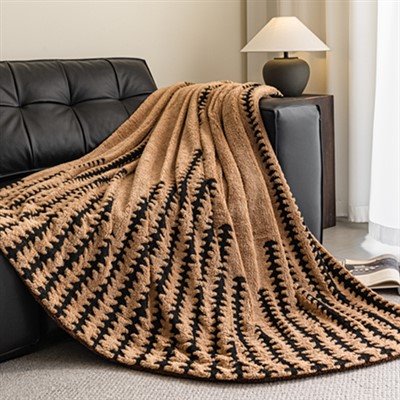
As a flannel blanket supplier, I believe that flannel blankets offer a superior sleeping experience. The natural fibers in flannel provide a comfortable and breathable environment, while the soft, fuzzy texture gives you a warm and cozy feeling. If you’re looking for a high-quality, durable blanket that will last for many years, I recommend choosing a flannel blanket.
Polar Fleece Blanket If you’re interested in purchasing a flannel blanket, I encourage you to contact me for more information. I can provide you with a wide range of options to choose from, including different colors, patterns, and sizes. I’m committed to providing my customers with the best quality products and excellent customer service. Let’s start a conversation about your flannel blanket needs and find the perfect blanket for you.
References
- "Flannel Fabric: A Comprehensive Guide." Textile School.
- "Fleece Fabric: Properties, Uses, and Care." Sewport.
- "The Difference Between Flannel and Fleece." The Spruce.
Shaoxing Songqiao Textile Co., Ltd.
We are one of the most experienced flannel blanket manufacturers and suppliers in China, specialized in providing high quality products and service for global clients. Please feel free to wholesale customized flannel blanket at competitive price from our factory.
Address: No.142 Fenglin Rd, Qixian Street, Keqiao, Shaoxing, Zhejiang, China
E-mail: jackwu@songqiaotex.com
WebSite: https://www.sq-blanket.com/
